When it comes to maintaining good health, there are a number of vitamins and minerals that your body needs on a regular basis. One mineral that is often overlooked, but is incredibly important, is zinc. Zinc is a key player in many of the body’s functions and can have a significant impact on your overall health.
Introduction to Zinc
Zinc is a mineral that is found in a variety of foods and is essential for many of the body’s processes. It is an important component of enzymes, proteins, and DNA, and is involved in everything from wound healing to immune function.
Despite its importance, many people do not get enough zinc in their diet, which can lead to a range of health problems.
Benefits of Zinc
There are a number of benefits to ensuring that you get enough zinc in your diet. Some of the key benefits include:
- Immune Function: Zinc plays a critical role in the immune system, helping to fight off infections and support the body’s defense against disease.
- Wound Healing: Zinc is essential for the growth and repair of tissues in the body, making it an important nutrient for wound healing.
- Metabolism: Zinc is involved in the metabolism of carbohydrates, proteins, and fats, making it an important nutrient for energy production and maintaining healthy body weight.
- Growth and Development: Zinc is critical for normal growth and development, particularly during childhood and adolescence.
- Skin Health: Zinc is important for maintaining healthy skin, as it is involved in the production of collagen and can help to reduce inflammation.
Daily Intake Recommendations
The amount of zinc that you need each day depends on a number of factors, including your age, sex, and overall health. The recommended daily intake of zinc for adults is 8-11 mg per day for women and 11-14 mg per day for men. Pregnant and breastfeeding women may require more zinc.
While it is important to get enough zinc in your diet, it is possible to consume too much. Taking high doses of zinc supplements can lead to zinc toxicity, which can cause symptoms such as nausea, vomiting, and diarrhea. The tolerable upper intake level for zinc is 40 mg per day.
Deficiency and Sources of Zinc
Zinc deficiency is relatively common, particularly in developing countries where access to nutrient-rich foods is limited. Symptoms of zinc deficiency can include a weakened immune system, delayed wound healing, and poor growth and development.
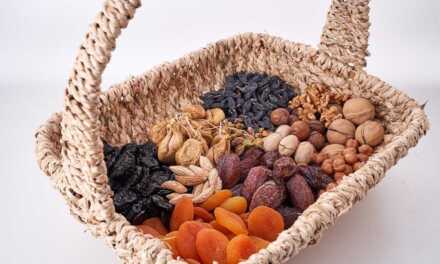
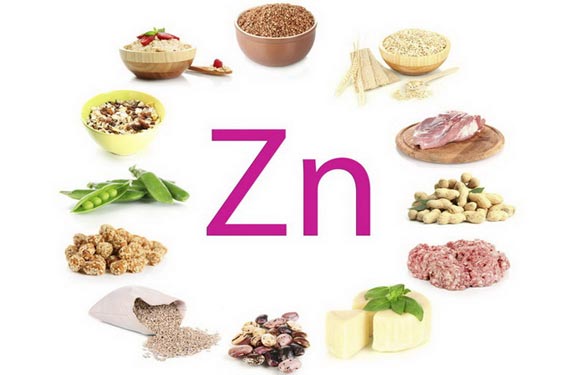
To ensure that you are getting enough zinc in your diet, it is important to include a variety of zinc-rich foods in your meals. Good sources of zinc include:
- Oysters
- Beef
- Chicken
- Beans
- Nuts
- Whole grains
- Dairy products
Supplements
While it is best to get your nutrients from food whenever possible, zinc supplements can be a useful way to ensure that you are getting enough of this important mineral. Zinc supplements are available in a variety of forms, including tablets, capsules, and lozenges.
If you are considering taking a zinc supplement, it is important to talk to your healthcare provider first. Taking too much zinc can be harmful, and certain medications can interact with zinc supplements.
Conclusion
Zinc is an essential mineral that plays a critical role in many of the body’s processes. From immune function to wound healing, getting enough zinc is crucial for maintaining optimal health.
By including a variety of zinc-rich foods in your diet and talking to your healthcare provider about zinc supplements, you can ensure that you are getting the right amount of this important mineral.