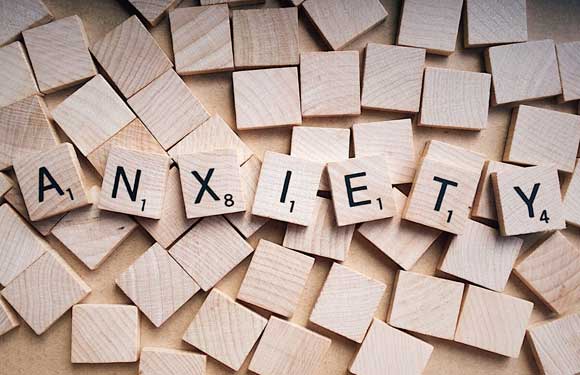
Stress is a feeling of emotional or physical tension. It is the body’s reaction to challenges, demands or change around an individual. Anxiety on the other hand is an intense and persistent worry and fear about everything that happens around you. Stress is a common experience for most people, whiles Anxiety is mostly triggered by stress.
Symptoms of Stress and Anxiety are mostly the same since the two are interrelated. Both are emotional responses, but stress is mostly caused by an external trigger. The trigger can be short term, such as a work deadline or a fight with a loved one or long term such as poverty, discrimination and chronic illness. Anxiety disorders are common. According to the National Institute of Mental health 19% of Americans over the age 18 had an Anxiety disorder in the past year and 31% of Americans will experience an Anxiety disorder during their lifetime.
Causes of Stress and Anxiety
Causes of stress and anxiety are mostly interrelated:
- Lack of control over activities: sometimes we feel as though things are getting out of control and there is little we can do about it, this can be very frustrating and it affects our decision making. This may lead to stress and when not dealt with, may also lead to Anxiety.
- Working overtime: At the workplace, when the workload becomes too much to complete within the given time, the easiest way around for most workers is to work overtime. Such people usually lack sleep and are easily irritated which affects their social behavior. They worry too much about work-related activities and this usually leads to Anxiety.
- Financial problems: this is an external common factor which is the reason why most people experience stress. Excessive worry about due payments and how to cater for one’s family can be very stressful and may lead to an Anxiety disorder.
- Use of illicit drugs and excessive intake of alcohol and caffeine: most drug addicts have Generalized anxiety disorder. The use of caffeine can also have effects on your sleep schedule and this may cause stress amounts to increase.
- Medical conditions: studies have shown that people with existing medical conditions experience stress and anxiety due to excessive worry over their predicament.
Symptoms of Stress and Anxiety
People under stress experience mental and physical symptoms such as:
- Fatigue.
- Muscle pain.
- Difficulty sleeping.
- Headaches.
- Short temper.
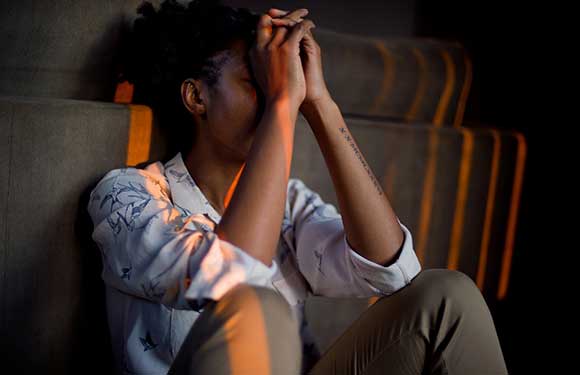
Symptoms of Anxiety are similar to that of Stress:
- Insomnia.
- Difficulty concentrating.
- Fatigue.
- Muscle tension.
- Irritability.
Anxiety symptoms are usually persistent and does not go away even in the absence of a stressor.
People at risk
People who experience stress and or are diagnosed with Anxiety are mostly:
- People with medical or health conditions.
- People who worry too much.
- People who do not avoid certain things or situations that can cause stress and anxiety.
- People who live with or have relatives with Stress or Anxiety disorder are also prone and likely to be diagnosed with either or both.
Treatment and Prevention

Both mild stress and anxiety respond well to similar coping mechanisms. Physical activity, a nutritious and varied diet and good sleep are a good starting point but there are other measures available such as:
- Exercise: regular exercise is a natural stress reducer. Studies have shown that regular aerobic exercise positively affects our mood. It lowers the body’s stress hormones such as cortisol and also helps release endorphins, which are chemicals that improve your mood and act as natural pain killers.
- Reduce caffeine intake and remove alcohol: caffeine is a stimulant found in Coffee, tea, chocolate and energy drinks. High quantities of caffeine can increase stress and anxiety levels.
- Consider various forms of therapy: you can see a therapist or psychologist who can help you and show you ways to cope and deal with stress and anxiety. Using essential oils or burning a scented candle may help reduce your feelings of stress and anxiety. Using scents to treat your mood is known as aromatherapy.
- Supplements: lemon, Omega-3 fatty acids, ashwagandha, Green tea, Valerian, Kewe Kawa are supplements used to treat various predicaments, Stress and Anxiety included.