Hearing loss over time is just part of getting older. However, there are some types that can be managed like noise-induced hearing loss.
We would like to share with you our top recommendations to keep a decent level of hearing for as long as possible.
1. Don’t expose yourself to noise
It’s challenging to give an accurate measure of how loud is too loud? However, if you are in the following situations, you are likely damaging your hearing capacity:
- You have to shout over the noise around you so that people can hear you.
- You cannot hear people talking around you.
- You feel that the noise hurts your ears.
- You are in loud environments like concerts, worksites where power tools are used like saws and drills, traffic jam noise, …
- You are listening to music on a high volume with headphones.
The best recommendation is to keep yourself away from loud noise as much as you can to avoid noise-induced hearing loss. Indeed, noise can damage the hair cells in your ears that intercept the incoming sounds.
So, it’s one of the main and manageable factors that cause hearing loss over time. [1] [2]
2. Wear hearing protection
If your job or daily activities force you to stay exposed to loud sounds for long periods of time, it’s very important to consider wearing hearing protection devices.
You can opt for the two following options as you see fit:
Earplugs: it’s a safety equipment device that acts as an air-tight seal in the ear canal. These devices are cheap, easy to use, yet effective to protect you from noise. You can use them also if you swim.
Earmuffs: they block out noise by completely covering the outer ear and are capable of reducing sounds by about 15 to 30 decibels. Nonetheless, these devices might not feet people wearing glasses or having heavy beards, because if they don’t stick firmly over both ears, the sound won’t be blocked completely. [3] [4]
3. Get your hearing tested
It’s good practice to get regular hearing tests, especially if you are at high risk due to your environment and daily activities. You should also see a specialist if some symptoms arise, never neglect them even if they are minor and don’t seem to go away very quickly.
As a good rule of thumb, the earlier a medical condition is diagnosed, the earlier something can be done about it. [5]
Here are some situations where a test is recommended:
- Close relatives with hearing problems (tinnitus, deafness, hearing loss, …).
- Difficult to hear what people are saying.
- Difficult to watch TV without increasing the volume.
- Constant exposure to loud noises.
- Chronic ringing in your ears (tinnitus). [6]
4. Be aware of medications with hearing-related side effects
There is a large number of drug-related hearing loss, including over-the-counter drugs. So, you should always check with your doctors and read medical notices. If you cannot find an alternate drug, your doctor should assess if the benefits outweigh the risks and also monitor your hearing asset before, during and after the treatment. [7]
Be aware of these drug-related hearing loss categories: [8]
- High doses of aspirin.
- Chemotherapy and cancer-fighting drugs.
- IV antibiotics.
5. Manage diabetes, blood pressure and overall cardiac health
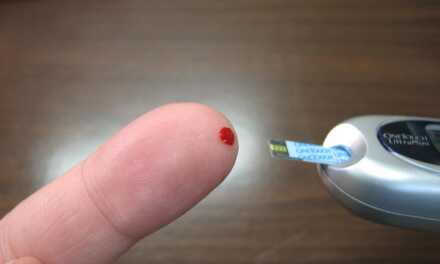
Research has found that some medical conditions like diabetes and high blood pressure increase the hearing loss occurrence probability by approximately twice.
Diabetes and blood pressure may damage the cells in your inner ears and thus alter the internal fragile mechanisms that allow you to hear.
Fortunately, with some healthy lifestyle habits, you can keep your blood pressure, blood sugar and cholesterol levels under control. [9]
6. Avoid smoking, vaping, and drinking alcohol
Reliable studies have proven that smoking, vaping or even drinking alcohol may negatively impact your hearing capacity over time.
Protect yourself from passive smoking too. So, get away from places where you may encounter active smokers.
Cigarettes contain many dangerous chemicals that may affect some parts of the ear system.
Similar risks may be triggered with alcohol consumption as it can damage the tiny hair cells. [10]