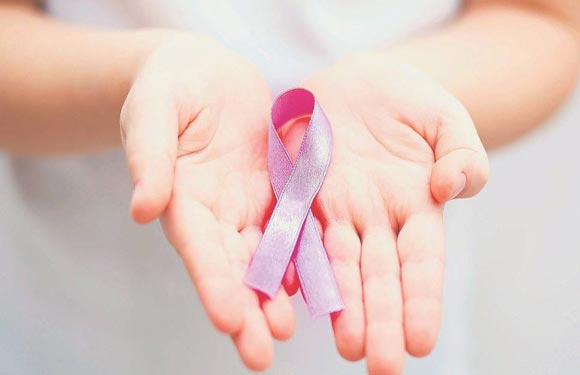
Breast cancer is a type of cancer that starts in the cells of the breast. It can occur in both women and men but is much more common in women. According to the American Cancer Society, breast cancer is the second most common cancer among women, after skin cancer.
Causes of Breast Cancer
The exact cause of breast cancer is unknown, but there are several risk factors that increase the likelihood of developing breast cancer. Some of the most common risk factors for breast cancer include age, genetics, family history, hormones, and alcohol consumption.
Age
Age is one of the most significant risk factors for breast cancer. As women get older, their risk of developing breast cancer increases. Most breast cancers occur in women over the age of 50.
Genetics
Genetics also play a role in breast cancer. Certain gene mutations, such as BRCA1 and BRCA2, increase the risk of breast cancer. Women who inherit these gene mutations have a significantly higher risk of developing breast cancer than women who do not carry these mutations.
Family history
Family history is another important risk factor for breast cancer. Women who have a mother, sister, or daughter with breast cancer have a higher risk of developing the disease.
Hormones
Hormones can also play a role in the development of breast cancer. Women who have higher levels of estrogen and progesterone are at a higher risk of breast cancer. This is why women who have early periods or go through menopause later in life have a higher risk of developing breast cancer.
Alcohol consumption
Alcohol consumption is also a risk factor for breast cancer. Women who drink alcohol have a higher risk of breast cancer than women who do not drink alcohol.
Symptoms of Breast Cancer
Breast cancer may not cause any symptoms in its early stages. However, as the cancer grows, it may cause the following symptoms:
- A lump or thickening in the breast or underarm area.
- A change in the size or shape of the breast.
- Nipple discharge or a nipple that turns inward.
- Skin changes, such as dimpling, redness, or scaling.
It is important to note that these symptoms can also be caused by other conditions, such as fibrocystic breast disease. If you notice any changes in your breast, it is important to see a doctor for an evaluation.
Diagnosis of Breast Cancer
Breast cancer can be diagnosed through a combination of methods, including:
- Mammography: This is an X-ray of the breast that can detect lumps or other abnormalities.
- Ultrasound: This uses sound waves to create images of the breast tissue.
- MRI: This uses a magnetic field and radio waves to create detailed images of the breast.
- Biopsy: This involves removing a sample of tissue from the breast and examining it under a microscope.
Mammography is the most common screening tool used to detect breast cancer. Women who are at average risk of breast cancer are recommended to have a mammogram every two years starting at age 50. Women who are at higher risk of breast cancer may need to start having mammograms earlier or have them more frequently.
If a mammogram detects an abnormality, additional tests may be needed, such as an ultrasound or MRI. If a suspicious area is found, a biopsy will be performed to determine if it is cancerous.
Treatment of Breast Cancer
The treatment of breast cancer depends on several factors, including the stage of the cancer and the patient’s overall health.
Treatment options may include:
- Surgery: This may involve removing the tumor and some of the surrounding tissue (lumpectomy) or the entire breast (mastectomy).
- Radiation therapy: This uses high-energy radiation to kill cancer cells.
- Chemotherapy: It uses drugs to stop the growth of cancer cells and can be given before or after surgery or to treat advanced breast cancer.
- Hormone therapy: This involves medications that block hormones that may be fueling the growth of certain types of breast cancer.
- Targeted therapy: This involves medications that target specific proteins in cancer cells to stop their growth.
In some cases, a combination of treatments may be used. The treatment plan will be determined by a team of healthcare providers, including surgeons, medical oncologists, radiation oncologists, and other specialists.
Prevention of Breast Cancer
While there is no sure way to prevent breast cancer, there are several steps that women can take to lower their risk of developing the disease.
Some of these steps include:
- Maintaining a healthy weight: Obesity has been linked to a higher risk of breast cancer, particularly in postmenopausal women.
- Exercising regularly: Regular exercise can help maintain a healthy weight and may also help reduce the risk of breast cancer.
- Limiting alcohol consumption: Women who drink alcohol have a higher risk of breast cancer than women who do not drink alcohol.
- Breastfeeding: Women who breastfeed may have a lower risk of breast cancer than women who do not breastfeed.
- Getting regular mammograms: Mammograms can help detect breast cancer early when it is most treatable.
It is important to note that some risk factors, such as age and genetics, cannot be changed. However, women who are at higher risk of breast cancer may benefit from additional screening or preventive measures, such as medications that reduce the risk of developing breast cancer.
Conclusion
Breast cancer is a serious disease that affects millions of women and men around the world. While the exact cause of breast cancer is unknown, there are several risk factors that increase the likelihood of developing the disease.
Early detection and treatment are critical for improving the chances of survival. Women should be aware of the symptoms of breast cancer and should undergo regular screenings as recommended by their healthcare providers.
By taking steps to lower their risk of developing breast cancer, women can improve their overall health and well-being.