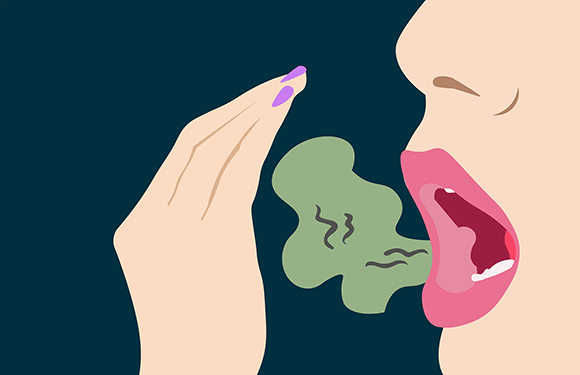
Bad breath, also known as halitosis, is a common condition that affects many people. It can be caused by a variety of factors, including poor oral hygiene, certain foods and drinks, and underlying medical conditions.
In this article, we will explore the causes, prevention, and treatment of bad breath.
Causes of Bad Breath
Bad breath is typically caused by the breakdown of food particles in the mouth. Bacteria in the mouth break down these food particles, which releases a foul-smelling gas.
However, there are many other causes of bad breath, including:
- Poor Oral Hygiene: Failing to brush and floss regularly can lead to the buildup of bacteria in the mouth, causing bad breath. Bacteria feed on the food particles and dead cells that accumulate on the tongue, gums, and teeth, producing an unpleasant odor. A tongue scraper can also help remove bacteria and debris from the tongue.
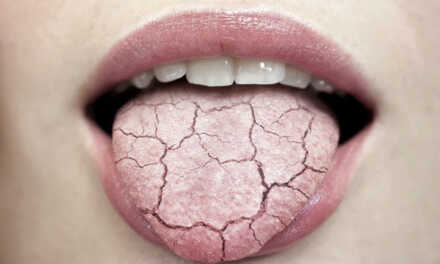
- Dry Mouth: Saliva plays an important role in washing away bacteria and food particles in the mouth. When the mouth is dry, bacteria can thrive and cause bad breath. Dry mouth can be caused by certain medications, medical conditions, or simply by breathing through the mouth.
- Diet: Certain foods, such as garlic and onions, are known to cause bad breath. These foods contain sulfur compounds that are released when they are digested, causing an unpleasant odor. In addition, low-carbohydrate diets can cause a condition known as ketosis, which can also lead to bad breath.
- Smoking and Tobacco Use: Smoking and using tobacco products can cause bad breath, as well as stain the teeth and increase the risk of gum disease and oral cancer. Tobacco use also dries out the mouth, which can exacerbate bad breath.
- Medical Conditions: Certain medical conditions can cause bad breath, including respiratory infections, acid reflux, and liver and kidney problems. Infections in the throat or sinuses can produce mucus and bacteria, which can cause bad breath. Acid reflux can also lead to bad breath by causing stomach acid to flow back up into the esophagus and mouth.
Prevention of Bad Breath
Preventing bad breath starts with good oral hygiene. Here are some tips to help prevent bad breath:
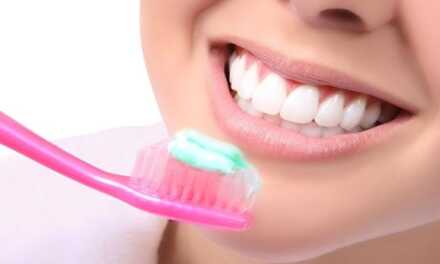
- Brush and Floss Regularly: Brush at least twice a day and floss at least once a day to remove food particles and bacteria from the mouth. Make sure to brush your tongue and the roof of your mouth as well.
- Use Mouthwash: Using an antibacterial mouthwash can help kill bacteria in the mouth and freshen breath. Look for a mouthwash that contains chlorhexidine, which is effective at killing bacteria.
- Drink Water: Drinking water can help wash away bacteria and food particles in the mouth. It also helps to stimulate saliva production, which is important for preventing dry mouth.
- Chew Sugarless Gum: Chewing sugarless gum can help increase saliva production, which can wash away bacteria and food particles. Look for gum that contains xylitol, which has been shown to inhibit the growth of bacteria in the mouth.
- Avoid Certain Foods: Avoid foods that are known to cause bad breath, such as garlic and onions. Instead, try to eat foods that are high in fiber, such as fruits and vegetables, which can help promote good oral health.
Treatment of Bad Breath
If you have bad breath, there are several treatment options available:
- Mouthwash: Using an antibacterial mouthwash can help kill bacteria in the mouth and freshen breath. Look for a mouthwash that contains chlorhexidine, which is effective at killing bacteria.
- Toothpaste: Some toothpaste brands contain antibacterial agents that can help kill bacteria in the mouth. Look for toothpaste that contains triclosan or stannous fluoride.
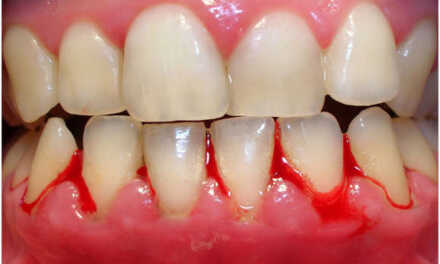
- Dental Cleanings: Regular dental cleanings can help remove plaque and bacteria from the teeth and gums. Your dentist may also recommend a deep cleaning or scaling and root planing if you have gum disease.
- Treating Underlying Medical Conditions: If your bad breath is caused by an underlying medical condition, such as acid reflux or a respiratory infection, treating that condition can help alleviate the bad breath.
- Quitting Smoking: Quitting smoking and tobacco use can help improve bad breath, as well as improve overall oral health.
- Drinking Water: Drinking water can help keep the mouth moist and wash away bacteria and food particles. Aim to drink at least eight glasses of water per day.
- Chewing Sugarless Gum: Chewing sugarless gum can help increase saliva production, which can wash away bacteria and food particles in the mouth. Look for gum that contains xylitol, which has been shown to inhibit the growth of bacteria in the mouth.
Conclusion
Bad breath is a common condition that can be caused by a variety of factors. Poor oral hygiene, dry mouth, certain foods and drinks, smoking and tobacco use, and underlying medical conditions can all contribute to bad breath. Fortunately, there are several preventative measures and treatment options available.
Practicing good oral hygiene, using mouthwash and toothpaste, regular dental cleanings, treating underlying medical conditions, quitting smoking, drinking water, and chewing sugarless gum are all effective ways to prevent and treat bad breath.
If your bad breath persists despite these measures, it is important to see your dentist or healthcare provider to rule out any underlying medical conditions.