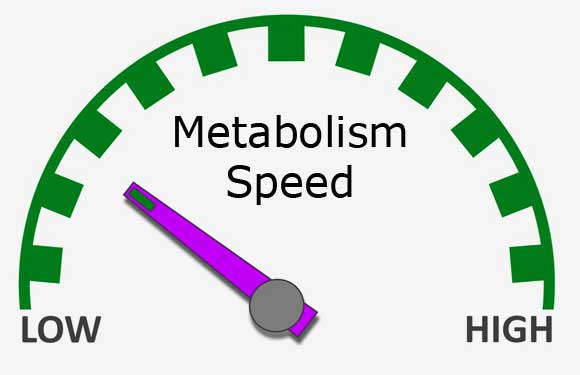
Metabolism refers to the chemical reactions involved in converting what you eat and drink into energy in other to maintain life. In metabolism, there can either be the breakdown of molecules to obtain energy termed “catabolism” or the synthesis of all compounds needed by the cells termed “anabolism”.
Most often than not, metabolism is used interchangeably with metabolic rate which is a measure of the number of calories burnt. The higher your metabolic rate, the more calories you burn and the easier your ability lose and maintain weight.
As we all may be well aware of, metabolism is linked to weight and most people attribute their weight gain or inability to lose weight faster to a slow metabolism. However, in as much as metabolism plays our role in our energy dissipation, what ultimately determines our weight is how much food and drinks we consume and our level of physical activity.
Even when we are resting, our body needs energy to pull through some vital functions such as blood circulation, respiration, repair and regeneration of cells as well as hormonal balance and immunological processes.
The number of calories burned to channel enough energy for these basic functions is termed “basic metabolic rate” and is determined by several factors including:
- Gender: naturally, men burn more calories than women owing to the fat that men usually have more muscle mass and less body fat in comparison to women of the same age and weight.
- Age: age takes a great toll on your muscle mass giving more space for fat thereby reducing your rate of calorie burning.
- Body size and composition: individuals with more muscle burn more calories even at rest.
As mentioned earlier, most people attribute their weight gain to a slow metabolism and even though that might be partly true, weight gain is a complicated process. That assumption is true only in presence of conditions that cause discrepancies in metabolism such as hypothyroidism and Cushing’s syndrome.
Aside that, weight gain is complex interplay of genetic makeup, lifestyle and dietary habits, hormonal control, stress levels and level of physical activity.
The secret to weight loss still rests on the principle of creating an energy deficit by eating fewer calories than you burn daily. Notwithstanding, the higher your metabolism, the greater the number of calories you burn and the closer you get to achieving your weight loss goal. Hence, we will focus on ways to get your metabolism boosted and burn more calories.
Ways to boost metabolism
There are several effective ways to boost your metabolism. These includes:
Increase in physical activity
A little push in our day to day activity is a good way to begin since in addition to boosting your metabolism, it makes you healthier. This can include walking, jogging, going to the gym, playing tennis, skipping rope, regular stand up breaks from a sitting job and any other activity or movement which will help you burn more calories.
High intensity workouts and lifting weights which enables an individual build strength and resistance also accelerate fat burn and allows an individual gain and retain muscle mass. Muscles tend to be metabolically active in comparison to fat hence building muscles imply that more calories can be burnt daily.
Adequate sleep
Research indicates that an adult needs 7-9 hours of sleep at night for optimal body function. Enough sleep is essential for metabolism and overall wellbeing of an individual, so if you want to boost your metabolism, be sure to get a good night rest.
Stress reduction

Stress can cause hormonal imbalance resulting in a rise in cortisol levels. This is often associated with disordered eating and unhealthy eating patterns which will eventually disrupt metabolism.
More laughter
Laughter they say soothes the soul. Laughing genuinely has a lot of health benefits according to research which includes a 10-20% surge in basal energy expenditure and resting heart rate. So, the more you laugh or giggle, bear in mind you are raising your basal metabolic rate and hence burning more calories.
Diet modification
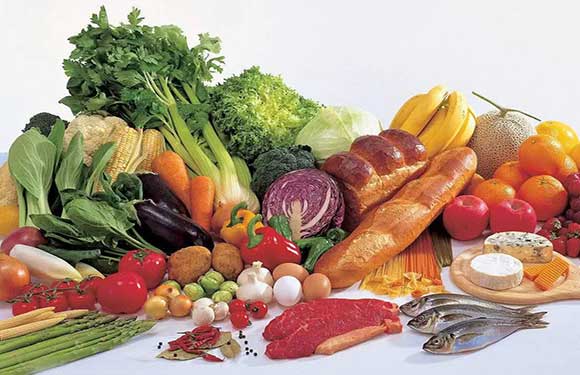
What we eat is what we become, this simply means that whatever we decide to ingest has a great influence on our body and health. In order to boost your metabolism, there are some foods that need to be consumed, others that need to be avoid and proper eating habits need to be adapted. There are a wide range of foods to choose from hence the next part of this article will take you through a few of such foods.
Metabolism enhancing supplements
Most people will want the easy way out by taking pills in order to boost their metabolism instead of the much-advocated dieting and exercise. There are quite a number of the products on the market with the claim of enhancing your body’s metabolism. Further in this article, we will throw more light on a few supplements which are known to help boost your metabolism and are completely safe and healthy for your body.
Foods that boost metabolism
I am about to walk you through foods and eating habits that will help you boost your metabolism. Our appearance is a candid representation and reflection of whatever we eat or drink, so if you want to accelerate your metabolism and stay fit, you must be conscious of your eating habits.
Eat breakfast
Breakfast is undoubtedly the most important meal of the day as far as weight loss and metabolism is concerned. However, most people think that skipping meals, most especially breakfast speeds up weight loss but it is important to know that your metabolism slows while you sleep and can only stimulated after eating.

So, refusing to eat breakfast means your body will burn less calories when you eventually decide to eat. Studies have proven that individuals who took a healthy breakfast tend to burn more calories within the day as compared to those who skipped breakfast.
Remove alcohol consumption

Alcohol is known to disrupt the metabolism of the consumer. Hence, if you aim to rev up your metabolism, completely avoiding alcohol intake will be of immense help.
Have regular meals
Our body dwells on balance and regularity hence the consistency in the timing of our meals will help maintain metabolic balance. Regular, small meal portions tend to stimulate burning of more calories. Eating a lot at a sitting and going without food for a long period makes your metabolism slow resulting in a buildup of fat. Incorporating healthy snacking in your diet every 3-4 hours keeps your metabolism high.
Protein-rich foods
These foods require a lot of energy for their digestion hence their consumption can increase metabolism for a few hours. Thermic effect of food (TEF) is defined as the number of calories required by your body to digest, absorb and process nutrients.
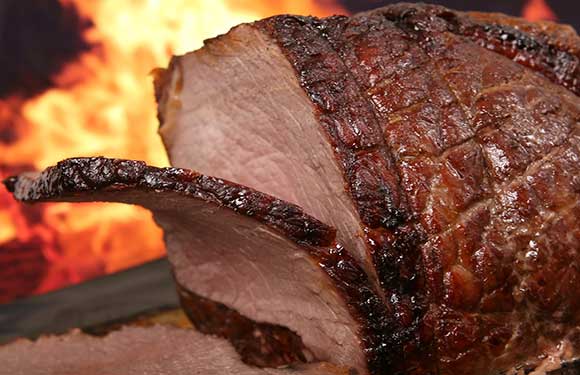
According to research, there is a significant increase in TEF after eating foods that are rich in protein. Protein-rich foods increase rate of metabolism by 15-30% compared to 5-10% for carbohydrates and 0-3% for fat. They also keep you satiated for a long time thereby preventing overeating.
Water

Water is essential for survival, drinking enough water has impeccable health benefits including boosting your metabolism temporarily by about 24%. Some studies concluded that the increase in metabolism can partly be attributed to the extra calories needed to heat the water to body temperature. Always make it a point to stay hydrated.
Coconut oil
This oil which is high in medium-chain triglycerides (MCTs) has gained popularity over the years due to their contribution to weight loss and cardiovascular health. MCTs unlike long chain triglycerides are transported directly to the liver after absorption to be used as a source of energy. This process makes it unlikely to be stored as fat.
Flaxseeds
This healthy snack contains protein, vitamins and other minerals that help boost metabolism.
Brazil nuts
These highly nutritious nuts are very rich in selenium, a mineral that is important for regulating functions of the thyroid gland, reducing inflammation and supporting the immune system. Selenium aids the production of thyroid hormones and proteins that protect the thyroid gland. The hormones secreted by the thyroid gland are also essential for metabolism, growth, and regulation of body temperature.
Apple cider vinegar
Some animal studies done suggest that vinegar may boost your metabolism by increasing the amount of fat burnt for energy. Other ways by which apple cider vinegar my help in weight loss include enhancing feelings of fullness and slowing stomach emptying. However, you may want to limit your daily consumption 30mls which is equivalent to 2tablespoons.
Seaweed
This contains high amounts of iodine which is an essential mineral required in the production of thyroid hormones. As already mentioned, thyroid hormones help to regulate our metabolic rate, therefore, the more hormones produced, the higher your metabolic rate. Keep in mind that moderation is key. Some forms of seaweed primarily brown seaweed contain fucoxanthin which also revs up your metabolic rate.
Metabolism boosting vegetables
Dark, green leafy vegetables such as kale and spinach contain the mineral iron which is essential for boosting metabolism and regulating growth and development. The absorption of the iron in leafy green vegetables can be propelled by adding vitamin C such as white squash, strawberry or tomato as catalyst. Broccoli also contains glucoraphanin which in addition to boosting your metabolism, reduces blood fat levels and maintain good health.
Vitamin B rich foods
Such foods include banana, eggs, peanut butter, orange juice, spinach, peas, potatoes, milk, lentils and whole grain foods. B vitamins are known to boost metabolism by helping in the conversion of ingested food into energy.
Coffee
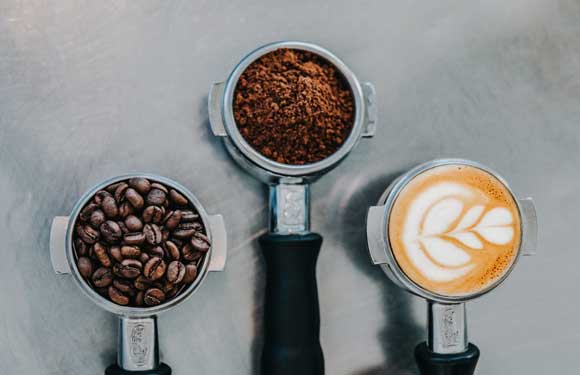
We can’t talk about ways to boost metabolism and leave out coffee. Aside its pleasant aroma and unique taste, coffee contains caffeine which can increase your metabolic rate by at least 10% and stimulate your body to burn more fat.
Green tea and oolong tea

These are very popular for their numerous health benefits which includes their antioxidant properties. They contain caffeine and catechins which may increase your metabolism rate by 3-10% and also push your body to burn more fat by about 15%. Their effectives may vary from person to person.
Legumes and pulses
These are very rich in protein and will require a lot of energy to digest them thereby stimulating a higher metabolic rate. They include beans, peanuts, lentils and chicken peas.
Metabolism boosting spices
Spices such as chili pepper, ginger and garlic are known to promote metabolism and appetite suppressing abilities. Chili peppers contain capsaicin, a chemical compound that increase the number of calories and fat you burn. Ginger and other spices belonging to the ginger family have the ability to increase metabolism, reduce appetite and keep you full for longer periods of time.
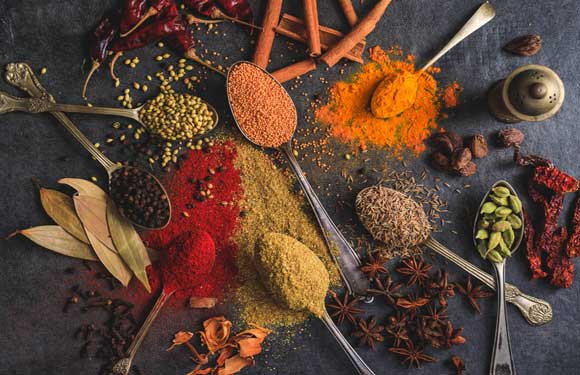
Drinking ginger tea or 2g of ginger powder in hot water is a good way to start your day. Eating garlic helps to boost your immune system, reduce inflammation and offers protection against cardiovascular diseases. It also helps to control lipid levels in the blood and support blood-sugar metabolism.
Supplements and metabolism boosters

There are supplements that can help stimulate your metabolism, these include:
Caffeine
This is naturally found in coffee and tea but can also be bought as a supplement. Caffeine is known to increase number of calories burnt in food metabolism as well amount of fat burnt daily. Individuals who consume take coffee regularly may not benefit completely from caffeine supplements.
Magnesium
An important mineral for energy production. It also serves as a cofactor in several enzymatic reactions in the body. Magnesium can cause diarrhea when taken in large quantities.
Green tea extract
Increases the rate at which the body burns fat by enhancing adrenaline secretion whiles limiting the absorption and storage of fat.
B vitamins
They are a family of vitamins consisting of vitamin B12, biotin, folate, vitamin B6, vitamin B5 (pantothenic acid), vitamin B3 (niacin), vitamin B2 (riboflavin) and vitamin B1 (thiamin). These vitamins act in synergy to increase metabolism of carbohydrates, fat and vitamins to produce energy.
Iron
It helps in thermogenesis and carrying of oxygen to body cells as well as muscle cells. The presence of oxygen in muscles increases the amount of fat burnt for fuel.