Atkins diet formally known as Atkins nutritional approach was proposed by Dr Robert C. Atkins in 1972. It is a low carb diet which encourages the consumption of as much protein and fat as you want as long as you abstain from foods high in carbs.

Initially, the Atkins diet was generally considered unhealthy due to its high saturated fat content which poses a risk to cardiovascular diseases, stroke, diabetes and other chronic ailments. However, there are still controversies surrounding this fact as new studies suggest that saturated fats are harmless.
A typical diet which advocates portion control or calorie count may reduce calories but may still be high in carbs giving continuous cycles of sugar spikes and lows, this can be very tiring and makes you hungrier without substantial weight loss.
Atkins diet just like any other low carb duet facilitates effective weight loss as a reduction in carbohydrate and increased protein intake results in reduced appetite causing you to consume less calories devoid of portion control.
Goal
The focus of this diet is to help you modify your diet to achieve your weight loss goal and maintain it. In addition to this, it helps you adopt a healthy eating lifestyle that will eventually boost your energy and improve your general wellbeing. You are assured of high and consistent energy levels throughout the day, making your weight loss journey a smooth one.
Mechanism
When your carbohydrate consumption is reduced or cut off completely, the body goes into a state of ketosis, where the body’s metabolism switches from burning glucose as fuel to using up your fat stores.
This is to say that when your glucose levels are low, your body records low insulin levels as well hence in order to mobilize energy for daily activities, your body resorts to using up your fat reserves for energy thus facilitating loss of body fat which invariably leads to weight loss.
Atkins diet and exercise
Atkins diet considers exercise not to be vital to weight loss. However, it agrees that exercise is essential for weight maintenance and toning of muscles in addition to its numerous health benefits.
Phases of Atkins diet plan
There are four phases of this diet plan with each phase taking you a step closer to your dream weight.
Phase 1 (induction phase)
In this phase, you have to cut down your carbohydrate intake drastically. You are permitted to consume less than 20g of net carbs mainly from low-carb vegetables per day for 2weeks. You can however eat foods that are rich in fat and protein.
Phase 2 (balancing phase)
In this phase, you can consume a minimum of 15g net carbs whiles avoiding foods with added sugar. Slowly incorporate more nuts, low carb vegetables and small amounts of fruit into your diet. This phase lasts until you are 4.5kg/ 10pounds from your goal weight.
Phase 3 (fine tuning)
You are trying to psyche your body into a more relaxed way of weight loss. Note that you are very close to your dream weight, so you increase your carbs bit by bit until wight loss slows down. This can be done by increasing the scope of foods to include fruits, starchy vegetable and whole grains. This phase lasts until you’ve reached your goal weight.
Phase 4 (maintenance)
You have finally reached your goal weight, now all you need to do is to maintain it. Even though this phase permits as much carbs as you can tolerate, its advisable to be wise about your choices and limit your carbohydrate consumption as much as possible.
Foods to be included in the diet
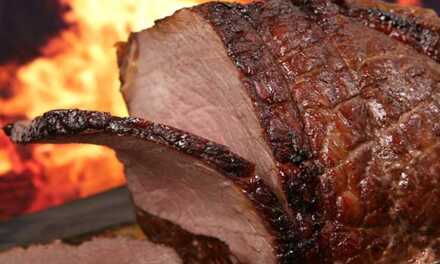
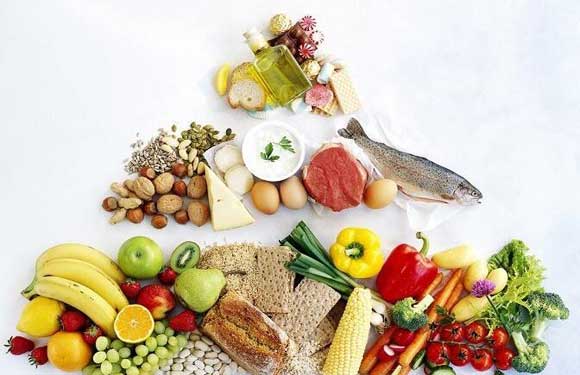
- Meat.
- Fatty fish.
- Eggs.
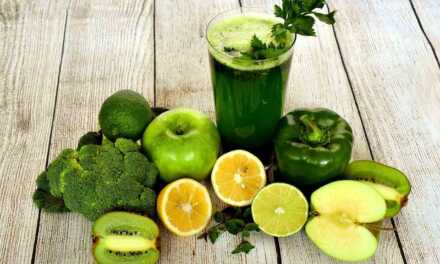
- Low carb vegetables such as kale, spinach, broccoli, asparagus, leafy greens, etc.
- Full fat diary including butter, cheese, cream, full- fat yogurt.
- Nuts and seeds e.g. almonds, walnuts, flax seeds, sunflower seeds.
- Healthy fats and oils such as extra virgin olive oil, coconut oil, avocados and avocado oil.
- Beverages- water is the highly recommended beverage, coffee, green tea, alcohol is acceptable in small amounts. However, in relation to alcohol intake, avoid high carb drinks like beer and stick to wine without added sugar.
Foods to avoid

- Sugary foods such as soft drinks, fruit juices, cakes, candy, ice cream, …
- Grains e.g. rice, spelt, barley, wheat, …
- Vegetable oils including corn oil, cottonseed oil, canola oi, soybean oil, …
- Trans fats: commonly found in processed foods and listed as “hydrogenated” among the ingredients.
- “low fat” foods- tend to contain high amounts of sugar.
- High carb vegetables such as carrots, turnips. This restriction applies only to the induction stage.
- High carb fruits such as banana, apples, oranges, pears, grapes are also restricted at the induction phase due to the high sugar contents.
- Legumes: lentils, beans, chicken peas are also restricted during the induction phase.
Most of these restricted foods are rich sources of vitamins, minerals, fiber and antioxidants. Hence to make up for the loss, vitamin and mineral supplements are encouraged for anyone who embarks on this diet.
Benefits derived from Atkins diet
Like any other diet, it has gone through modifications and evolved over time thus encourages eating more high-fiber vegetables, factors in vegetarian and vegan needs, and addresses health problems that may arise when attempting a low carb diet plan.
- An effective and sustainable weight loss.
- Helps to maintain the dream weight you’ve worked so hard for.
- Helps to achieve good health.
- Lays a permanent foundation for disease prevention.
Risks
Majority of the risks are associated with the induction phase where there is a drastic reduction in the amount of carbohydrate taken.
- There are side effects associated with the drastic cut in carb intake including dizziness, headache, weakness, fatigue and even constipation.
- Nutritional deficiencies can also be recorded due to the restrictions and can lead to malnutrition, diarrhea and nausea.
- In phase 1, your recommended net carbs are less than 20g which tips you into a state of ketosis. Side effects of ketosis include nausea, headache, mental fatigue and bad breath. This can be termed as Atkins flu or keto flu.
Supplements for Atkins diet
Dr Robert Atkins was a strong advocate of nutritional supplementation of the diet; however, some individuals choose to embark on the diet without it. These supplements also boost your energy, reduce Atkins flu and improve your sleep quality.

Phase 1 supplements
– High quality multivitamins can help cater for the nutritional imbalances arising in this phase. It will also reduce sugar cravings and maintain energy levels.
– Electrolyte supplements are also recommended to cater for the weakness and fatigue encountered in the induction phase. Electrolytes such as sodium, magnesium and potassium can help combat the symptoms of Atkins flu such as headaches, fatigue, muscle cramps and palpitations.
– Chromium picolinate and green tea extract are also recommended to reduce sugar cravings. It normalizes blood glucose levels, aid body recomposition and lower cholesterol levels.
– Co-Enzyme Q10 and L-Carnitine supplements helps to speed up ketosis in individuals with high metabolic resistance to boost the fat burning process.
Phase 2 and 3 supplements
There will be less need for supplementation as you add on food but if you keep exhibiting Atkins flu symptoms, you can continue taking the supplements listed above.
- Fiber supplements such as flaxseeds and psyllium husks are recommended to aid digestion and prevent constipation.
- Dr Atkins also strongly recommended omega oils and essential fatty acids to support heart health. These are available as omega oil capsules.
Phase 4 supplements
This phase allows for most foods except for highly processed carbohydrates and most likely won’t need additional supplements. You can always go back to your supplements if you experience symptoms of Atkins flu.
Conclusion
There is no easy road to weight loss, its however up to you to choose a diet plan that suits your needs and which you can stick to keeping your health in mind. Always consult with your physician or nutritionist before starting any diet plan. Also consult your physician if you are on diuretics, insulin or any oral diabetic medication. People with severe kidney disease should not follow the diet. Pregnant women and breast-feeding mothers may want to avoid this diet as well.