Keto diet is a low carb, moderate protein, high fat diet which is popular amongst athletes, people with diabetes, epilepsy, bodybuilders and individuals who want to shed some weight. However, it was introduced and gained popularity in the field of medicine between 1920s- 1930s due to its help in the management of refractory epilepsy in children.
Several studies conducted worldwide indicate that the keto diet is effective for weight loss and the management of several chronic ailments such as epilepsy, diabetes, Alzheimer’s disease and cancer to mention a few.
How does it work?
The whole idea behind this diet is to drastically cut down the amount of carbohydrates consumed in a day while increasing your fat intake coupled with moderate amounts of protein.
The keto diet allows for the consumption of less than 50g of net carbs a day. Carbohydrates which are converted to glucose and transported throughout the body are the main source of fuel in the body. The reduction in the amount of carbohydrates consumed during a keto diet results in the lack of sufficient amounts of glucose to fuel the body, hence, the body falls into a metabolic state known as ketosis.
In this state, there is an increased breakdown of fats for energy. The liver then converts these fats into fatty acids and ketone bodies. These ketone bodies then replace glucose as energy source for the body especially the brain. This whole metabolic process leads to elevated levels of ketone bodies in the blood; thus, the diet being termed ketogenic diet or keto diet for short.
Types of ketogenic diet
There are several variants of a ketogenic diet but we will highlight on a few:
Standard ketogenic diet (SKD)
This type is quite popular and follows the very low carb, moderate protein and high-fat principle of keto diet in the proportion of 70-75% fat, 20% protein and only 5-10% carbohydrate. In terms of grams per day; 20-50g of carbs, 40-60g of protein with no set limit for fat.
Cyclical ketogenic diet (CKD)
Also known as carb backloading allows for higher carbs intake on certain days, such as 5 ketogenic days followed by 2 high-carb days. This is highly recommended for athletes and individuals who engage in very high-intensity workouts to replenish the glycogen lost from muscles during training.
Targeted ketogenic diet (TKD)
Similar to SKD but carbs are consumed around workout times. It allows room for the consumption of carbohydrates any day you exercise. This is based on the concept that carbs consumed with this period will be processed efficiently and used as energy for the active muscles.
High protein ketogenic diet
This diet contains more protein than a standard ketogenic diet with 60% fat, 35% protein and 5% carbs. Highly effective for weight loss.
Areas in which keto diet is beneficial
Weight loss
A ketogenic diet offers more weight loss within the first 3 months as compared to other diets. This can be attributed to the fact that the diet is filling so you eat less, it reduces sugar cravings and appetite, lowers blood sugar and improves insulin sensitivity. Also, more energy is required to convert fat into energy in comparison to glucose. In addition, taking a ketogenic diet reduces depression thereby preventing the “binge” eating that may be associated with it.
Diabetes and prediabetes
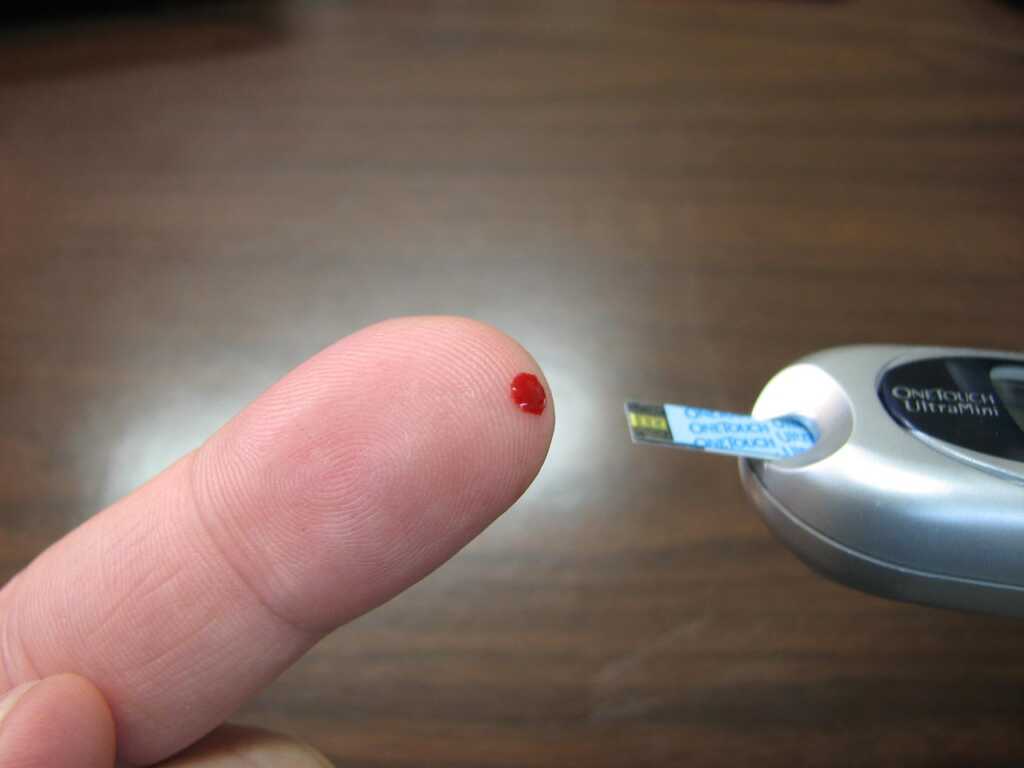
Diabetes is a metabolic disorder characterized by high blood sugar and impaired insulin function. In type 2 diabetes and prediabetes, loss of excess fat can help improve prognosis and enhance management by lowering blood glucose levels and improving insulin sensitivity. However, diabetics especially those with type 1 diabetes are predisposed to ketoacidosis when excess ketone bodies are produced during fat metabolism. It is advisable to consult your doctor before you effect any diet changes.
Epilepsy
The use of keto diet in the management of epilepsy especially in children has been proven to be quite effective. Its use has somewhat been abandoned in favor of new anticonvulsant medications. An increase in the number of ketones in the blood leads to a reduction in the frequency of epileptic seizures according to research.
Heart disease
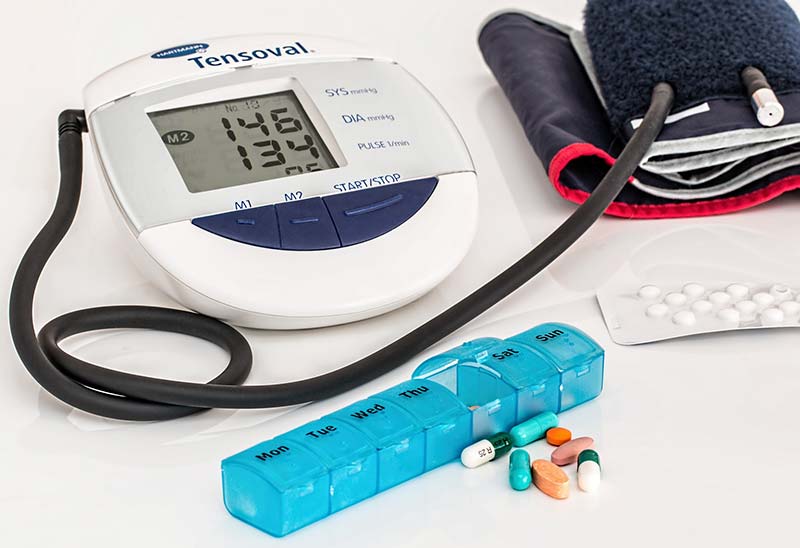
It helps to improve the risk factors associated with heart diseases like elevated body fat and cholesterol. Individuals on a keto diet were found to have an increase in good cholesterol (HDL) with a decrease in bad cholesterol hence you are less likely to have high blood pressure, hardened arteries or heart failure.
Alzheimer’s and Parkinson’s disease

It helps to improve symptoms and slow progression of these diseases.
Cancer

Low insulin level serves as protection against certain types of cancer and slows the growth of cancer cells.
Polycystic ovary syndrome
A high level of insulin is a risk factor. ketogenic diets which reduced the amount of insulin needed and produced by the body can help treat it alongside other lifestyle changes.
Acne
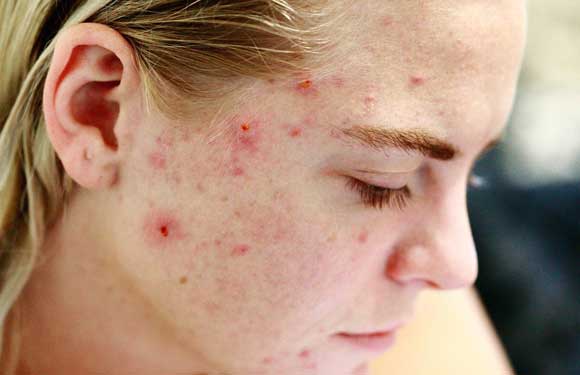
According to researches, increased consumption of carbohydrates has been linked to this skin condition as an increase in insulin can your body make hormones that trigger acne formation. Lower insulin levels and eating less sugar or processed foods can help stop acne breakouts.
Foods to eat
Meat and poultry
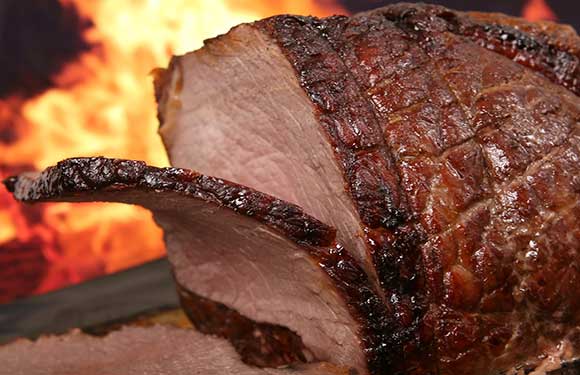
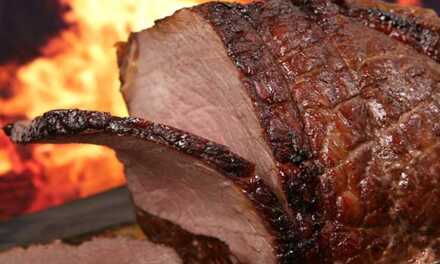
These are key in a ketogenic diet since they are a rich source of protein, vitamins and minerals including selenium, zinc and potassium and contain no carbs.
Eggs
Considered ideal for a ketogenic lifestyle due to its versatility. In addition to its delicious taste, eggs are known to contain a high amount of protein with less than 1g of carbohydrate. Eggs are known to trigger hormones that promote satiety, stabilize blood sugar levels for up to 24 hours resulting in reduced calorie intake.

Egg yolks are rich in antioxidants which protect the body from free radicals. Even though egg yolks are high in cholesterol, they are known to also modify LDL cholesterol to reduce the risk of heart disease.
Fatty fish
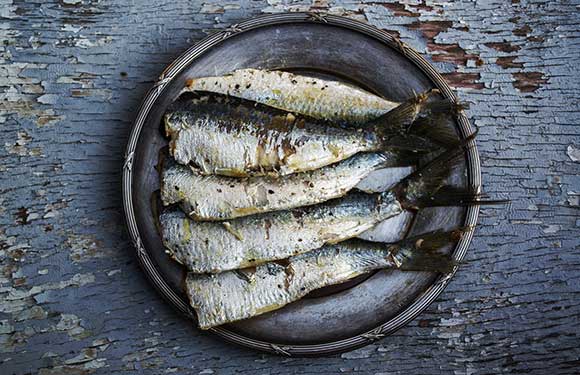
Rich source of omega 3 fats, B vitamins, potassium and selenium with close to zero carbs. Omega 3 fats help increase insulin sensitivity and lower insulin levels in overweight and obese individuals. Examples include; mackerel, salmon, trout and tuna.
Dark chocolate/cocoa powder
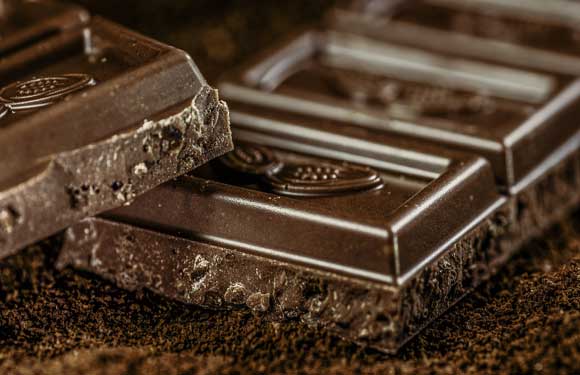
This is good news for my chocolate lovers who wish to adopt a keto lifestyle. Consumption of dark chocolate with a minimum of 70% cocoa powder is a delicious source of antioxidants and also contains flavanols that lower blood pressure, keep arteries patent and reduce the risk of heart disease.
Coffee and tea

Unsweetened coffee and tea are carb-free beverages whose caffeine contents increases your metabolism as well as improve your physical alertness and mood.
Butter and cream

They are a good source of fat to include in a ketogenic diet with trace amounts of carbs.
Cheese
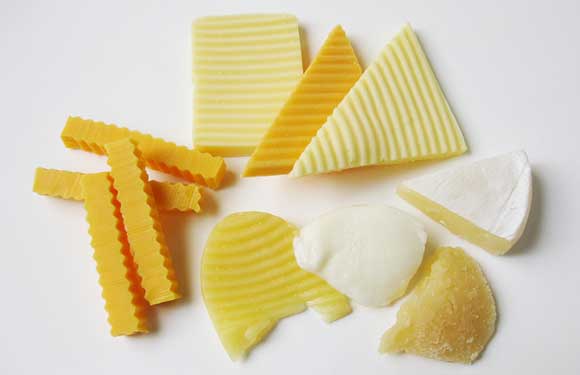
They are several varieties of unprocessed cheese but they are all very high in saturated fat and low in carbs. Regular consumption of cheese can help reduce the loss of muscle mass and strength associated with aging.
Nuts and seeds
Healthy snacks to be considered in your diet plan and include almonds, flax seeds, pumpkin seeds, walnuts, chia seeds. Nuts and seeds are a healthy source of fat with low carb content. Their high fiber content gives you a longer feeling of fullness and aids in digestion. They are known to reduce the risk of certain cancers, heart disease and depression.
Healthy oils
These contain medium-chain triglycerides (MCTs) which are taken up directly into the liver and converted to ketones to be used as a source of energy. They include coconut oil, avocado oil and extra virgin olive oil. Coconut oil is enriched with vitamins and minerals, promotes loss of belly fat and improve triglyceride and cholesterol levels. Olive oil is high in oleic acid and antioxidants which provide impressive benefits for your heart and overall health.
Avocado
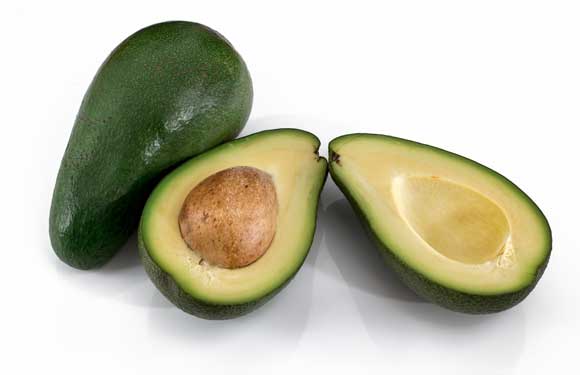
Whole avocados are a rich source of several nutrients including fats and oils, vitamin C and minerals.
Low carb veggies
These are primarily vegetables that grow above the ground. Examples include; green leafy vegetables, tomatoes, cauliflower, kale, broccoli, peppers. Rich in fiber which is not absorbed by the body but aids digestion. Also, vegetables are high in antioxidants that aid in the mopping up of free radicals, which are unstable molecules that cause cell damage.
Berries
Fruits are usually not advised in a ketogenic diet due to their high carbs content, however, berries are an exception. Berries such as strawberry, raspberry and blackberry are low in carbs and high in fiber and antioxidants.
Foods to avoid
- Sugary foods like smoothies, candy, cake, ice cream, …
- Grains or starches like bread, rice, pasta, …
- Fruits.
- Beans or legumes.
- High carb vegetables: root vegetables and tubers such as potatoes, sweet potatoes, carrots, …
- Unhealthy fat.
- Sugar free-diet foods: these are usually high in sugar alcohols which can modify ketone levels.
- Alcohol: due to high carb content, they are likely to throw you out of ketosis. Some low carb alcoholic drinks include dry wine (red or white), whiskey, vodka and dry martini. It is, however, advisable to avoid altogether as you are likely to be intoxicated from significantly less alcohol when on a keto diet.
Side effects
Generally, keto diet is safe for healthy individuals. However, as your body adapts to your diet modifications in the initial stages, you may experience some symptoms termed as “keto flu”. Keto flu is caused by a lack of vitamins and minerals during the transition to ketosis.
Keto flu includes headache, irritability, weakness, bad breath, fatigue, poor mental function, sleep and digestive discomfort. To minimize this, you try reducing your carb intake gradually for a few weeks instead of cutting off or drastically reducing carb intake as seen in keto. This initiates your body into burning more fat.
The diet can also cause some water and mineral imbalance so adding extra salt to your meals or taking some supplements can help maintain balance.
There is also a high risk of kidney stones and acidosis.
Stunted/slow growth in children.
Special consideration must be taken by people on medication for diabetes, high blood pressure and lactating mothers. Do well to consult your physician before the commencement of this diet.
Keto Diet Supplements

Electrolyte supplement
This is needed for water and mineral balance. Essential minerals like potassium, magnesium, sodium and calcium which are needed in the day to day functioning of the body may be deficient in the keto diet.
Vitamin D supplement
Vitamin D which serves both as a nutrient and hormones helps the body absorb calcium, magnesium and other minerals to help maintain strength and muscle growth, bone density, healthy testosterone levels and better cardiovascular and immune system health.
MCT oil
Medium-chain triglycerides are taken up by the liver and used as a direct source of energy by being converted into ketones. They help enter and maintain a state of ketosis.
Exogenous ketones
They help raise your ketone levels and provide immediate additional energy whether you are in ketosis or not.
Creatine
It’s useful when combining keto diet with exercise. Provides numerous health benefits in addition to boosting exercise performance.