What is tooth sensitivity?
The tooth inside out is composed of the pulp, the dentine composed of dentinal tubules, enamel on the crown and cementum on the root.
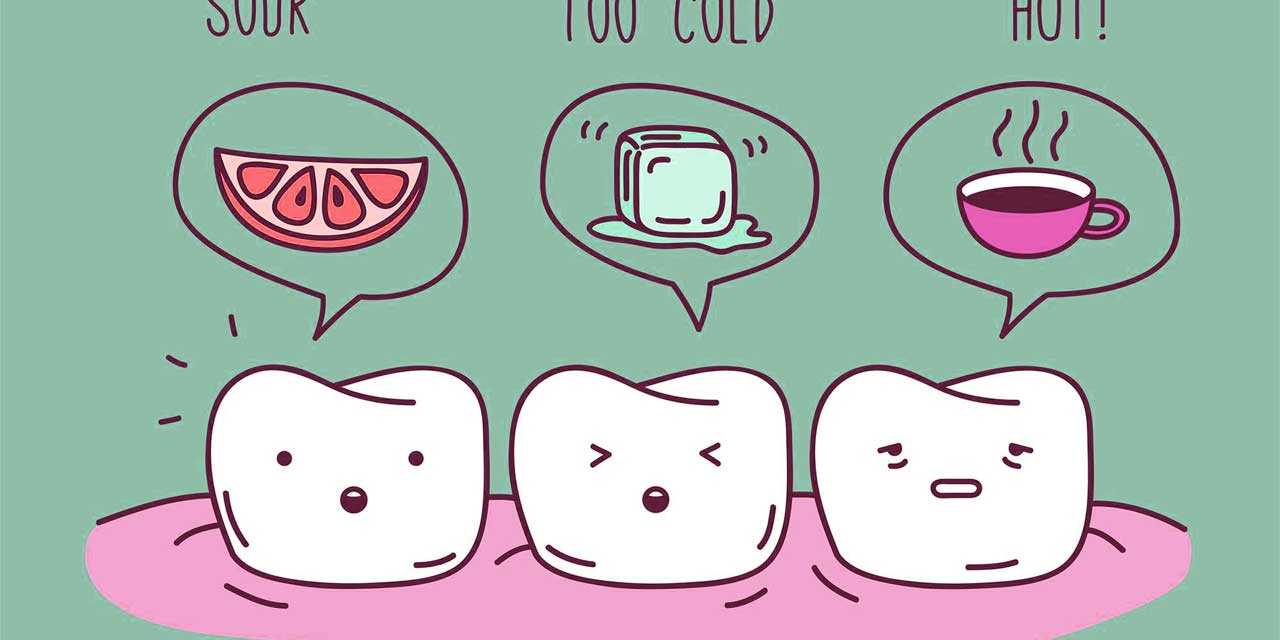
Tooth sensitivity also known as dentin hypersensitivity is a condition characterized by a short sharp pain due to an external stimulus such as cold or hot food. The pain cannot be explained by any other dental pathology and this makes it a diagnosis of exclusion.
What are the causes of tooth sensitivity?
Tooth sensitivity occurs when there is exposure of crown dentine or root dentine to the external environment. Therefore, any condition causing communication between dentine and the external environment can cause tooth sensitivity.
These include:
Periodontal problems
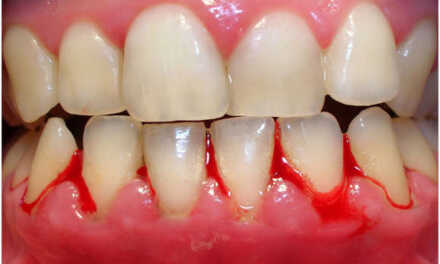
Gingival recession principally is known to lead to tooth sensitivity. This can be due to:
- Incorrect tooth brushing.
- Periodontal diseases.
- Bone dehiscence or fenestration.
- Periodontal nonsurgical and surgical procedures.
Gingival recession leads to exposure of the root cementum which is less mineralized than the enamel. This wears off easily during mechanical contact with objects like toothbrushes and during chemical contact with acid produced by the oral flora. This process eventually in the long term will lead to exposure of root dentine to the external environment and subsequent sensitivity.
Enamel loss

Lemon or orange juice contains eroding acid that slowly affects teeth
Enamel loss by processes other than caries can be due to:
- Abrasion which is defined as tooth loss caused by mechanical contact with abrasive objects like hard-bristled toothbrush.
- Erosion which is tooth loss caused by chemical substances like acid contained in drinks (citrus fruit juice, carbonated drinks, iron tonics, etc).
- Abfraction which is tooth loss due to flexural forces.
- Attrition is tooth loss due to tooth to tooth contact. It can be due to parafunctional habits like bruxism etc.
Tooth whitening
Chemicals (hydrogen peroxide and carbamide peroxide) used during bleaching have the ability to penetrate the enamel and get to the dentine and the pulp causing sensitivity.
How to diagnose tooth sensitivity?
As said previously, tooth sensitivity is a diagnosis of exclusion so it is important to rule out all the possible causes of tooth sensitivity such as:
- Caries (also called cavities or tooth decay).
- Cracked tooth syndrome.
- Pulpitis.
- Fractured tooth.
- Postoperative sensitivity.
- Enamel invagination restorations.
This means that a thorough history and clinical examination must be done. And by doing this, the dentist must be guided by the patient to the area of sensitivity.
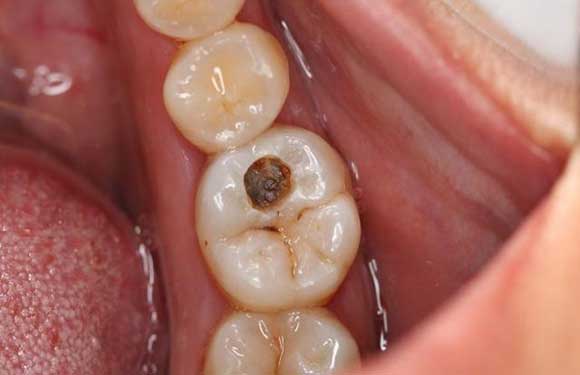
Dental caries may trigger tooth sensitivity
Radiographic examination is also an important aspect of the diagnostic process and it is compulsory.
It is important to know that in the case of tooth sensitivity; pain does not outlast the stimulus.
Teeth at the corners of the mouth (canines and premolars) are more affected than the other teeth (incisors and molars).
How to manage and treat tooth sensitivity?
A stepwise approach is recommended.
First, the diagnosis needs to be confirmed and then the etiology determined. Based on the etiology, a treatment modality is adopted.
As part of treatment modalities, desensitizing agents can be applied at home (dentifrices like Sensodyne), in-office procedures (varnishes, burnishing of dentine and use of silver nitrate, fluoride compounds, and oxalates).
The patient can also be educated on possible causes of gingival recession like plaque control, tooth brushing techniques and dietary counseling.
Other treatment modalities include:
- Nerve desensitization using Potassium Nitrate.
- Protein precipitation using Glutaraldehyde or Silver Nitrate.
- Plugging of dentinal tubules using Sodium Fluoride.
- Dentine adhesive sealers using Fluoride varnishes, Glass Ionomer Cements; Composites.
- Lasers using Neodymium: yttrium aluminum garnet laser to melt the dentine surface in order to seal the dentinal tubules.