Detox diet is considered as one of the popular weight loss diets. As the name implies, this short-term diet plan aims to detoxify the body thereby getting rid of any toxins and unwanted metabolites. These diets and special products improve general health by eliminating toxins and promoting weight loss. Its claim to contribute to weight loss is however backed by very scanty scientific evidence and the mechanism of action is not well understood.
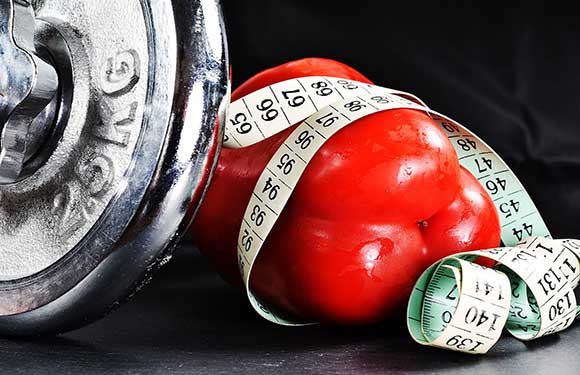
Numerous studies conducted to assess the effectiveness of detox diet pointed to the fact that the body has natural mechanisms of detoxification hence no external help is needed. According to detox diet, toxins include; heavy metals, synthetic chemicals, refined or processed foods, pollutants and harmful metabolites which negatively impact our health. The body, however, has an outstanding means of eliminating all these toxins using skin, lungs, liver, kidneys and colon in the form of feces, urine, sweat, air, etc. In effect, detox diet offers nothing new but serves to enhance the body’s natural means of detoxification.
Detox diet is a combination of fasting, fruit juice and water diet, vegetables, teas, herbs as well as special supplements and colon cleansers.
How long detox lasts?
It is basically a short-term diet plan with a variety of options to suit your needs. It ranges from 3 days, 7 days, 14 days through to 30 days. It is not advisable to detox for a long period of time since you may experience nutritional imbalance due to the numerous diet restrictions. You can alternate between detox diet and regular healthy meals let’s say every 6 months to stay light and healthy as well. consult your physician or dietician before you embark on the detox journey.
What are the benefits of detox diet?
- Enhance natural body cleansing.
- Fasting period provides rest to organs.
- Improve circulation and metabolism.
- Shed excess weight.
- Promotes healthy eating habits and lifestyle.
- Reduces stress and makes you more relaxed.
- Feeling refreshed and reenergized.
What are the potential risks of detox diet?
- Rebound weight gain since weight loss is mainly due to loss of fluids or carbs.
- Not all detox diet plans are healthy due to their strict diet restrictions or elimination of important food groups.
- Risk of malnutrition which may impair the body’s immune and detoxification system if done long-term.
- Deficient of fiber (enhances metabolism and free bowel movement).
- Headaches, dizziness, body weakness.
Types of detox diet
There are several ways of detoxing including:
- Master cleanse: a combination of water, lemon juice, maple syrup and cayenne pepper. Or a beverage containing warm saltwater and laxative tea. Usually lasts about 10days.
- Water cleansing only: you consume only water throughout the period. Supplements recommended.
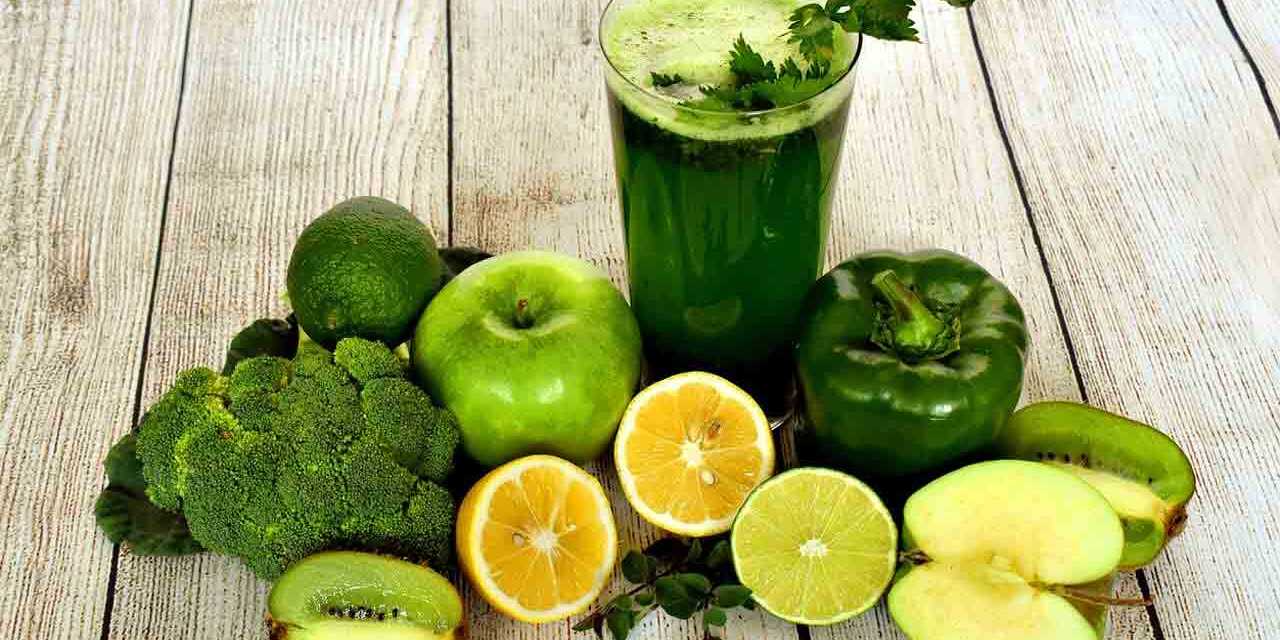
- Fruit or vegetable juice cleanse: consume fresh organic fruit or vegetable juice for the duration of the diet.
- Colon cleanse: aims at clearing colon waste via 2 methods; use of laxatives or enema.
- Lemon detox: promotes the consumption of lemon-based beverages for the duration of the diet, usually lasts for a week or 2.
- Liver cleanse: involves taking vegetable juice, potassium enriched foods, beef liver and specialized supplements aimed at liver cleansing.
Detox and weight loss
There are several controversies surrounding the effect of this diet on weight loss and long-term health impact. It promises impeccable results in a short term, however majority of the weight lost is water weight and not as a result of fat burn. Hence there is the tendency for an individual to regain the lost weight at the end of the diet. Another school of thought implies that due to the low-calorie nature of the diet, the body falls into a state of ketosis thereby using up fat stores. It is not to be considered as a long-term weight loss diet plan.
If you are considering embarking on the detox journey, there are certain dietary changes that needs to be put in check. These include:
- Increase your daily water intake: this serves to boost your metabolism, eliminate water weight, keeps you refreshed and relaxed as well enhancing toxin elimination through sweat and urine. Frequent water intake also increases bowel movement and improves skin conditions.
- Reduce salt intake: excess amount of salt results in water retention. The less salt consumed; the less water retained.
- Avoid alcohol: alcohol is metabolized in the liver; excessive alcohol consumption can damage the liver causing inflammation or fat buildup. When liver function is impaired, detoxification is affected greatly resulting in chronic health conditions.
- Get enough sleep: this stimulates brain function which in turn propels organ function keeping elimination of waste products at its peak.
- Limit intake of sugar and processed foods: these are contraindicated in each weight loss diet. They promote fat buildup, impair detoxification and further result in obesity and other chronic diseases.
- Eat foods that are rich in antioxidants such as; fruits, nuts, cocoa, vegetables, coffee, green tea and spices. These are fortified with antioxidants including vitamin A, C and E, lycopene, lutein, selenium, etc. which mop up free radicals in the body.
- Eat prebiotic rich foods: the heath of your digestive tract is essential for detoxification. Prebiotics are a type of fiber that feed the good gut bacteria called probiotics.
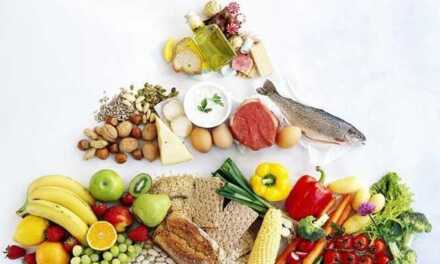
What foods to include in detox diet?
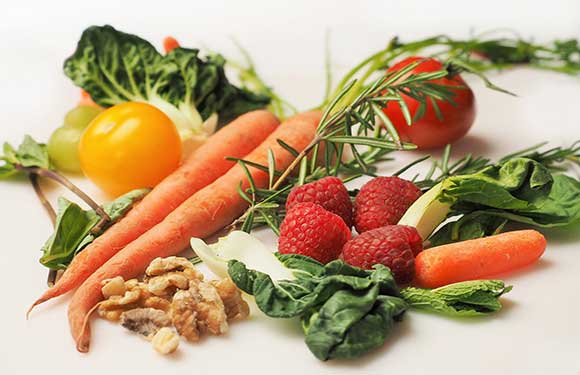
- Lemon juice.
- Ginger tea.
- Vegetables such as kale, leafy greens, carrot, beetroot, cabbage, spinach, pumpkin, capsicums, broccoli, mushroom, mustard leaves, celery, mint, etc. These can be steamed or made into fresh juice.
- Fruits: any fruit of choice can be made into juice, eaten whole or as fruit salad.
- Whole grains: restricted in some forms of detox diet.
- Beans and legumes: not recommended in some detox diets.
- Probiotic rich foods.
- Lean protein.
- Healthy oils like coconut, olive, flaxseed and almond oil.
- Nuts and seeds are used as snacks.
- Enough water.
- Special detox products and supplements.
These can be backed with exercise and relaxation techniques such as massage therapy, sauna and aromatherapy.
What foods to avoid in detox diet?

- Processed or refined food.
- Refined grains.
- Sugary and fizzy drinks.
- Fatty meat.
- Alcohol.
- Caffeine.
- Wheat or foods containing gluten.
- Dairy products.
Detox supplements
These supplements mainly serve as enhancers of the detoxification process by boosting the health and function of the liver. Some also ensure the regular functioning of the digestive system as well as replenishing deficient nutrients.
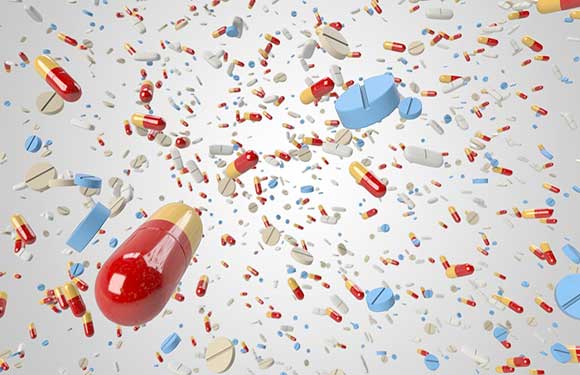
- Multivitamins: vitamins A, C and E serve as antioxidants which mop up free radicals and toxins in addition to boosting the immune system. Vitamin B complex provide energy and helps the body detoxify.
- Milk thistle: also known as silymarin is a herb which couples as an antioxidant. It assists in liver cell regeneration, decrease cellular inflammation and protects the brain and liver from toxins.
- L-glutamine: an amino acid which heals leaky gut as well as enhance detoxification.
- Glutathione: endogenous antioxidants which neutralizes liver toxins. It is noted for its profound anti-inflammatory, detoxification and neuroprotective abilities.
- Choline and inositol: increase fat metabolism, increase bile flow and prevent fatty liver disease.
- Minerals: magnesium and zinc are the best minerals for flushing toxins from the body cells. Magnesium stimulates cell activity and accelerates release of toxins into the bloodstream. Zinc is a potent antioxidant which aids in detoxification.
- Colon cleanser: promotes bowel movement.
Conclusion
Detoxification diet like most weight loss diets has controversies surrounding it, it is advised to consult your physician before deciding. This diet is recommended for short periods due to its long-term effect on health. Its claim of successful weight loss is not supported scientifically; however, you may consider this diet to boost your detoxification system.