What is Osteoarthritis (OA)?
Osteoarthritis (OA), also called degenerative joint disease, degenerative arthritis or arthrosis, is characterised by progressive wear or degeneration of the articular cartilage, which is found on the articulating end of bones located in joints. It is the most common type of joint disease, caused by inflammation of the articular cartilage.
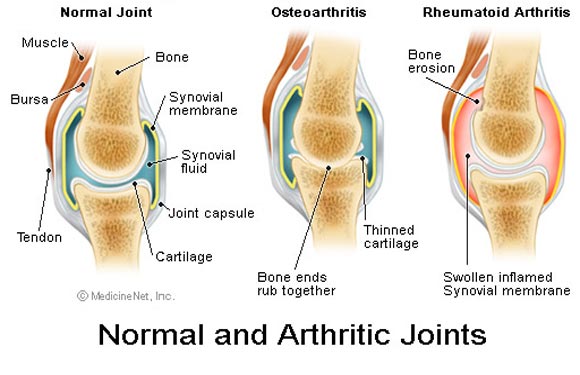
Compare the Osteoarthritis with the Normal Joint
What are the Causes of Osteoarthritis?
Degenerative joint disease is caused by the breakdown of the articular cartilage. Normally, the cells of the articular cartilage (chondrocytes) are responsible for the fabrication of collagen (specifically collagen type II) of which the cartilage is composed of.
Chondrocytes are also responsible for the degradation of old and worn-out cells, by the release of special chemicals, called proteoglycans. This healthy articular cartilage acts as a cushion to allow frictionless movement of the joint.
An imbalance in the support system provided by the chondrocytes leads to an increased deterioration and decreased regeneration of the collagen, which is essential to maintain a healthy joint. With time, the articular cartilage wears away, allowing bone to rub against bone which causes friction and pain.
Osteoarthritis can also cause inflammation of the synovial membrane (which is the membrane that lines the joint space), connective tissues and tendons of the joint.
Which Joints are Affected by Osteoarthritis?
Primarily, the joints affected are weight-bearing joints. These are:
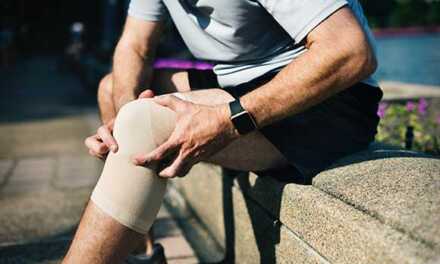
- Knee, which is the most common site due to repeated stress and injury.
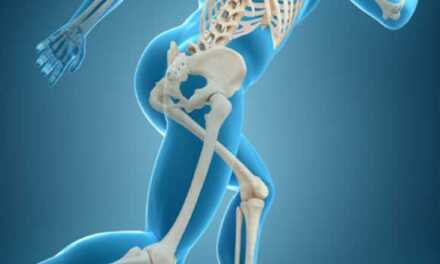
- Hip.
- Hands.
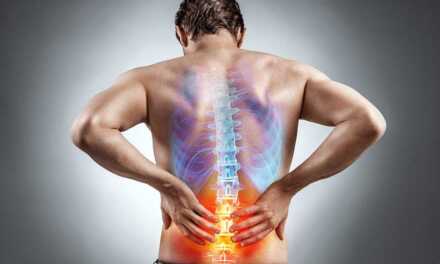
- The spine.
- Foot and ankle joints.
Epidemiology of Osteoarthritis
In majority of cases, arthrosis is associated with increasing age and this is normally termed as primary osteoarthritis. When arthrosis occurs in younger people, it is termed secondary osteoarthritis because, it is usually as a result of an underlying condition such as repeated injury to the joint (common in athletes), deformation of the joint and diabetes.
Women over 55 years are also more affected than men as a result of decreasing oestrogen levels.
Risk Factors of Osteoarthritis
Advancing Age
Naturally, the articular cartilage wears away with age due to constant use of the joint.
Obesity
Increased weight puts excessive pressure on the joints and may cause subsequent wear of the articular cartilage.
Low Oestrogen Levels
Oestrogen has a protective mechanism by protecting the joint from inflammation. As oestrogen levels reduce in aging women, this protective mechanism is lost making them prone to osteoarthritis.
People who Engage in Active Sports, e.g. Athletes
Repeated stress on the joints as a result of active sports, may eventually result in a degenerative joint disease.
Increased Bone Density
Bone density is the measure of the amount of bone tissue in bone. Increased bone density means an increase in bony tissue which may result in the development of bony outgrowths. These bony outgrowths may cut their way through the articular cartilage and cause friction within the joint.
Gender
Females have a much higher tendency of developing osteoarthritis. This is because, the lower body of a female is more elastic to allow the required flexibility during childbirth. As a result, the joints have lesser stability making them more prone to injury.
Genetics
It has been observed that osteoarthritis can be passed through generations in families. There seems to be a genetic link found amongst women.
Injury to the Joint
Injury to the joint (post-traumatic arthritis), leads to direct damage of the articular cartilage which causes a change in mechanics of the joint and accelerated wear.
Deformities of the Joint
When the joint is deformed, it leads to unusual movement of the bones within the joint space and this can result in accelerated wear of the articular cartilage.
Metabolic Disease
Some metabolic diseases like hemochromatosis arthropathy (deposition of iron in the joints) and diabetes may cause inflammation within the joint and subsequent damage to the articular cartilage.
Symptoms of Osteoarthritis

Some symptoms to watch out for include:
- Joint stiffness, especially after periods of immobility.
- Joint pain.
- Swelling of the joint.
- Loss of flexibility or a reduced range of motion within the joint.
- Crepitus- a popping sound when the joint is used.
When Should I See a Doctor?
You must see a doctor as soon as signs of pain, swelling and/or redness are observed around the joint. It is important because the doctor will ensure that you are getting the right treatments for your condition.
If you have already been diagnosed with osteoarthritis, then you should see your doctor when the pain becomes unbearable, or if you observe any deformities of the joint like bumps, popping or grinding sounds.
You must also consult your doctor when you notice your medications do not offer much help. Sometimes, medications have to be changed or the dosage adjusted.
Diagnosis of Arthrosis
The diagnosis of osteoarthritis is done only by a doctor. The doctor will collect necessary information about your complaint, together with a family and drug history. Then, a physical examination of the affected joint will follow with diagnostic tests, allowing the doctor to confirm the diagnosis.
A number of diagnostic tests can be done and they include:
- X-rays: they reveal damage to the articular cartilage. It will also reveal the presence of bony outgrowths if present.
- Joint aspiration (arthrocentesis): the doctor will anaesthetize the joint and insert a needle to withdraw some of the synovial fluid to be analysed in a laboratory. The cells in the fluid can give details about the status of the joint.
- Magnetic Resonance Imaging (MRI): MRI does not use radiation and can give a better, detailed image of the articular cartilage in the joint. However, it is more expensive.
How to Treat Osteoarthritis?
The treatment of osteoarthritis depends on the level of severity. The disease cannot be cured, but it can be managed with medications, therapy and surgery.
Medications
Medications are used in the management of acute symptoms which is notably pain. Most commonly used drugs are non-steroidal anti-inflammatory drugs (NSAIDs) and other pain killers.

Your doctor may also inject a steroid-based drug directly into the joint space to suppress inflammation and pain. Drugs should be prescribed only by a doctor.
Therapy
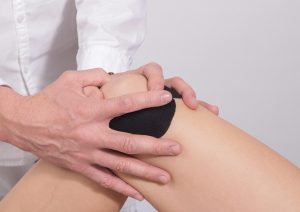
Therapists can help you by showing you simple exercises that can be done to strengthen the joint in order to increase flexibility and manage pain. Simple exercises like walking, jogging and swimming will also help to strengthen the joint whilst maintaining flexibility.
Surgical management
Surgery is indicated for patients with advanced cases of osteoarthritis. An orthopaedic surgeon can either replace the joint with metallic (usually titanium) and plastic parts. Such a procedure is called joint replacement surgery.

An osteotomy can also be performed where pieces of bone will be removed either above or below the affected joint. This procedure allows for readjustment of the mechanics of the joint and redistributes the weight it receives.
How to Prevent Osteoarthritis?
Your risk of reducing the occurrence of osteoarthritis can be done with lifestyle modifications.
Exercise
Gentle exercises can improve the health of the cartilage, connective tissue and muscles of the joint.

Regularly doing exercises like the following, may significantly reduce your risk:
- Walking.
- Swimming.
- Yoga.
- Cycling.
Reducing Occupational Risk
Some occupations may actually increase your risk of developing osteoarthritis. You must consult your doctor if your job requires a lot of:
- Kneeling.
- Bending.
- Walking.
- Twisting.
- Lifting excessive weights.
Maintaining a Healthy Diet and Weight

Eating healthy helps to provide necessary nutrients needed for normal functioning of the body. It also prevents you from getting overweight and obese. Being overweight puts enormous strain on the joints and can cause rapid deterioration, eventually leading to osteoarthritis.
Controlling your Blood Sugar
An increase in blood glucose induces the production of compounds which makes the normally elastic articular cartilage stiff. Diabetes also causes inflammation in the joints and can contribute to the loss of the articular cartilage.
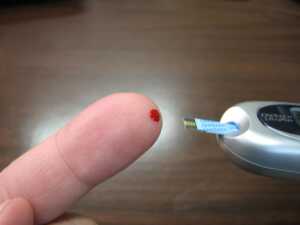
It is important to regulate your blood sugar if you have been diagnosed with diabetes by improving your diet and taking medications as prescribed.
What are the Complications of Osteoarthritis?
The possible complications that can arise if treatment is not sought promptly include:
- Bleeding within the joint (hemarthrosis).
- Infection of the joint.
- Complete breakdown of the cartilage, connective tissue, tendons and muscles causing instability of the joint.
- Pinching of a nerve within the joint which is common in spinal osteoarthritis.
- Fractures of the bones in the joint usually due to injury or excessive stress.
- Bone death (osteonecrosis).
Natural/Home Remedies to Osteoarthritis
Home remedies are not the standard way of managing osteoarthritis therefore; your doctor should always be informed. Some natural remedies may interact with other medications you are taking or produce allergic reactions and other unwanted side effects.
Indeed, natural remedies are gaining popularity because some patients believe they are safer with fewer side effects.
Some natural remedies that can be used include:
- Green tea: compounds found in green tea called polyphenols have an anti-inflammatory effect which will reduce pain, swelling and redness significantly.
- Turmeric: turmeric also reduces inflammation by way of its active compound, Curmucin.
- Ginger: ginger is used to reduce the pain associated with osteoarthritis. It is advised that ginger should be taken as a spice because, it can cause stomach upsets and diarrhoea as well as heartburn if taken in large quantities.
- Garlic: garlic contains diallyl disulphide which can reduce damage to the articular cartilage.
- Hot and cold compress: a hot compress should be applied when the joint is stiff whereas a cold compress is beneficial to manage pain.
- Epsom bath salts: these salts can be added to bathwater and they provide an anti-inflammatory and analgesic effect.
Living with Osteoarthritis
When diagnosed with osteoarthritis, you can still live a normal life. The key is to stay informed about your condition, visiting your doctor regularly and reporting any unusual events that may occur.
You should take an active part in your management by:
- Maintaining a healthy weight.
- Eating a balanced diet.
- Reducing stress.
- Regularly exercising to increase strength and flexibility of the joint.
- Taking medications as prescribed and attending all hospital appointments.
- Modifying daily activities which put strain on the joints.
- Seeking appropriate care and medications to treat injuries to the joint.
- Using heat compress to relieve stiffness.
- Using a cold compress to relieve pain and muscle spasms.