What is xerostomia or dry mouth?
Xerostomia, commonly known as dry mouth or hyposalivation, is not a disease but a symptom of certain conditions. This is mainly due to impaired salivary gland function resulting in reduced or lack of saliva.
Importance of saliva
Saliva is very essential to the oral health and general wellbeing of an individual.
- The water component of saliva provides a cleansing effect reducing plaque and debris accumulation.
- Bicarbonate serves as a buffer to neutralize the acid produced by bacteria after the metabolism of fermentable carbohydrates and ingestion of acidic foods.
- Saliva aids in tasting.
- Salivary enzymes aid in digestion.
- Saliva serves as a lubricant making chewing and swallowing easier.
- Saliva has an antimicrobial effect.
What are the causes of dry mouth?
These can be temporary or permanent. In cases where the causes are temporary, elimination of the underlying cause provides relief.
Temporary causes include:
- Mouth breathing.
- Not drinking enough fluids.
- Dry hot weather.
- Psychological conditions such as anxiety and depression as well as medications used to treat these conditions.
- Salivary duct stones/calculi result in blockage of the salivary gland and impair the flow of saliva. This is usually accompanied by pain and swelling especially at the thought, sight or smell of food. If untreated, the obstruction may lead to progressive fibrosis and further to permanent xerostomia.
- Side effects of medications such as antihistamines, antihypertensives, bronchodilators, antipsychotics, antiparkinson agents, sedatives, anticholinergic, skeletal muscle relaxants, etc.
Permanent causes include:
- Salivary gland aplasia which refers to the congenital absence of one or more of the major salivary glands.
- Radiotherapy for head and neck tumors results in glandular atrophy partly due to reduced vascularity and due to the direct effect of the x-rays on the specialized epithelial cells.
- Sjogren’s syndrome is a chronic inflammatory autoimmune disorder characterized by dry mouth and dry eyes. Commonly affects women over 40 years of age.
- Other systemic conditions such as diabetes, because of frequent urination(polyuria), Parkinson’s disease, cystic fibrosis, sarcoidosis, as well as vitamin A, riboflavin and nicotinic deficiencies and anemia.
- Physical or surgical trauma to salivary gland duct may impair saliva secretion.
Signs and symptoms

- Thick and reduced saliva.
- Dry, sticky and burning sensation in the mouth.
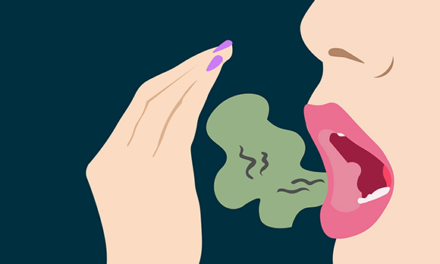
- Halitosis (bad breath).
- Dry and sore throat.
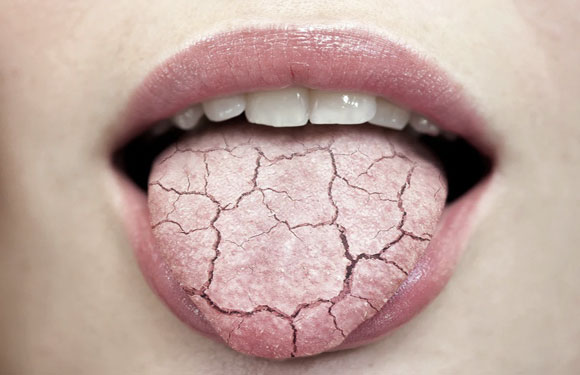
- Dry, grooved, painful tongue.
- Altered taste (dysgeusia).
- Angular cheilitis which presents as ulcers at the corners of the mouth.
Complications
Dry mouth affects the quality of life of an individual as well as the nutritional, dental and psychological wellbeing.
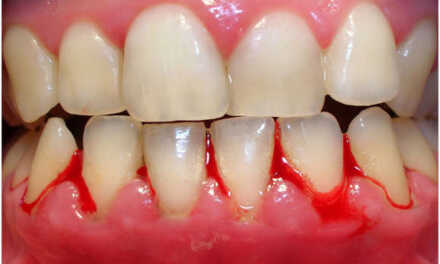
Chronic xerostomia predisposes an individual to rampant dental caries as the protective effect of saliva is lost. Other complications include mouth ulcers, gingivitis, halitosis, unstable and unretentive dentures for denture wearers, oral candidiasis, dysgeusia, difficulty in chewing and swallowing, malnutrition due to poor feeding and in some cases sialadenitis.
When to see a doctor?
- Sudden or unexplained dry mouth requires medical attention to rule out any underlying medical conditions and to seek immediate care.
- Prolonged or chronic dry mouth.
- When it’s a side effect of a medication.
- Difficulty chewing, speaking and swallowing.
- When there are associated signs and symptoms such as pain, swelling, lymphadenopathy, dryness and soreness of the eyes.
Diagnosis of xerostomia
Diagnosis of xerostomia is mainly based on the presenting symptoms. Once you see your doctor, a thorough history of the condition will be taken including your medical, dental and drug history after which you will be examined to ascertain the underlying cause.
Salivary gland imaging, sialometry, punch biopsy and serological tests may be needed to confirm diagnosis.
Treatment and prevention of dry mouth
The management of xerostomia dwells on eliminating or addressing the causative factor.
Prevention with restrictions
Avoid dehydrating habits such as alcohol use, smoking, and caffeinated drinks.
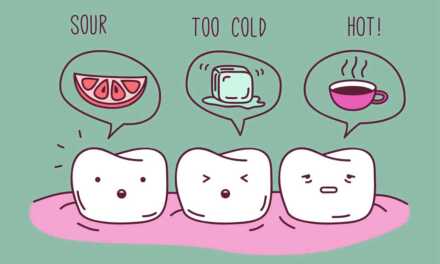
Cut down on dry, spicy, astringent or excessively hot or cold foods which irritate the oral mucosa and exacerbate the symptoms.
Sugary and acidic foods which increase the risk of tooth decay must also be avoided.
Home remedies
- Frequent intake of water.
- Sugarless (xylitol) chewing gum.
- Sucking on sugarless candy.
- Aloe vera gel or juice serves as a moisturizer.
- Ginger, sweet pepper and cactus have a sialogogue effect, which means that they stimulate the production of saliva.
- Improvement of oral hygiene by frequent brushing with fluoridated toothpaste, flossing and regular dental check-ups at least twice a year.
Medical care
- Sialogogues are prescribed to stimulate saliva production and increase its flow rate.
- Saliva substitutes: your doctor will prescribe artificial saliva when natural production is limited or cannot be stimulated.
- Review of medication: medications can be changed or their dosages altered to alleviate the symptoms. No medication should be stopped without consulting your doctor.
- Surgery is intended when a duct stone or salivary gland tumor is diagnosed.