What are bleeding gums?
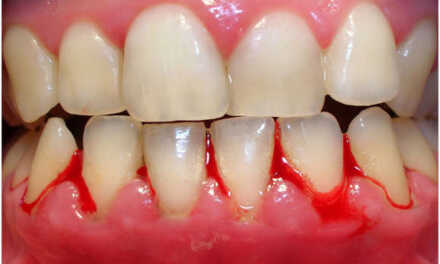
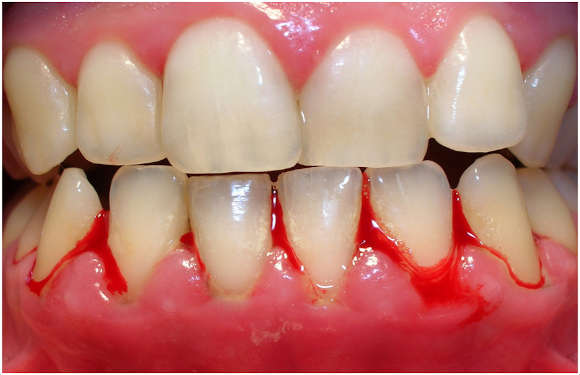
Bleeding gums is a sign or symptom of gum disease. It is characterized by blood coming out of the gingivae or gums. This can be spontaneous or due to contact with an irritant. It is often the first and the most common symptom characterizing gum disease. However, this can also point to other health problems.
What are the causes of bleeding gums?
There is no current classification concerning the causes of bleeding gums.
Bleeding gums can be due to:
Tooth brushing
Vigorous tooth brushing or use of hard-bristled toothbrush can cause gum bleeding as a result of trauma. The use of toothpick as well can also cause trauma to the gum and subsequent bleeding.
Gingivitis
Used to characterize gingival inflammation, one of the first symptoms of gingivitis is bleeding gums during brushing. Bleeding on probing is also a sign. For more information on gingivitis, please refer to our article on gingivitis.
Periodontitis
Used to characterize inflammation and destruction of the periodontium, periodontitis occurs when gingivitis is left untreated. Bleeding on probing is also one of its cardinal signs. For more information on periodontitis, please refer to our article on periodontitis.
Malnutrition
Vitamin K and C deficiencies can lead to a weakening of the gum and cause subsequent bleeding.
Vitamin C plays a key role in collagen production, a protein that is abundant in connective tissues like skin, hair, joints, bones and blood vessels. When deficient, the walls of the blood vessels are weakened and therefore can easily rupture and bleed.
Vitamin C is an essential nutrient that must be consumed regularly to prevent deficiency. The most common risk factors for vitamin C deficiency are poor diet, alcoholism, anorexia, severe mental illness, smoking, and dialysis.
Vitamin K plays a big role in stabilizing the blood as it helps it clot. In the absence of factors that will promote blood clotting, easy bleeding can occur.
Other causes
Other causes of bleeding gums include:
- Too tight dentures or ill-fitting dentures.
If too tight, dentures exert a high pressure on the gum causing inadequate blood to reach certain areas of the gum. This can cause what is called pressure sores.
If too loose, the denture will be subject to movements during function (mastication, speech, and even breathing) and this can damage the gums especially if the edges are sharp.
- Pregnancy as a result of hormonal disturbance. This imbalance can cause the gums to become more sensitive and therefore bleed easily.
- A bleeding disorder like hemophilia can also cause the gums to bleed.
Haemophilia is a rare blood disorder in which blood does not clot due to lack of protein (clotting factors). This makes the affected individual bleed more than usual when the least trauma occurs.
- Anticoagulants like aspirin, heparin, warfarin, etc. prevent blood to clot. This has a presentation similar to people affected by blood disorders.
How to treat bleeding gums?
Treatment of bleeding gums depends on the causative factor. Because of that, it is important to first seek the assistance of a dentist for proper diagnosis and treatment.
Depending on the etiologic factor, the treatment varies.
- If due to gingivitis or periodontitis, scaling and polishing or scaling and root planing will be done by the dentist.
- If due to trauma during tooth brushing, the type of toothbrush and technique of toothbrushing may be modified. In this case, a soft-bristled toothbrush and the Bass technique of toothbrushing is advised. The use of electric brushes also is advised because of their design which can cause less trauma to the gums.
- If due to malnutrition, the consumption of foods containing the deficient supplement is advised.
In case of vitamin C deficiency, the consumption of a diet containing vitamin C is advised. Examples include strawberries, potatoes, tomatoes, broccoli, citrus fruits and juices, and bell peppers.
In case of vitamin K deficiency, the consumption of a diet containing vitamin K is advised.
Examples include olive oil, soybeans, lettuce, swiss chard, etc.
- In case of a too tight or ill-fitting denture, denture fabrication is the treatment of choice.
- In case of a bleeding disorder, referral to a physician is the best treatment.
- If due to drugs, consultation with the affected individual physician to change the medications is advised.