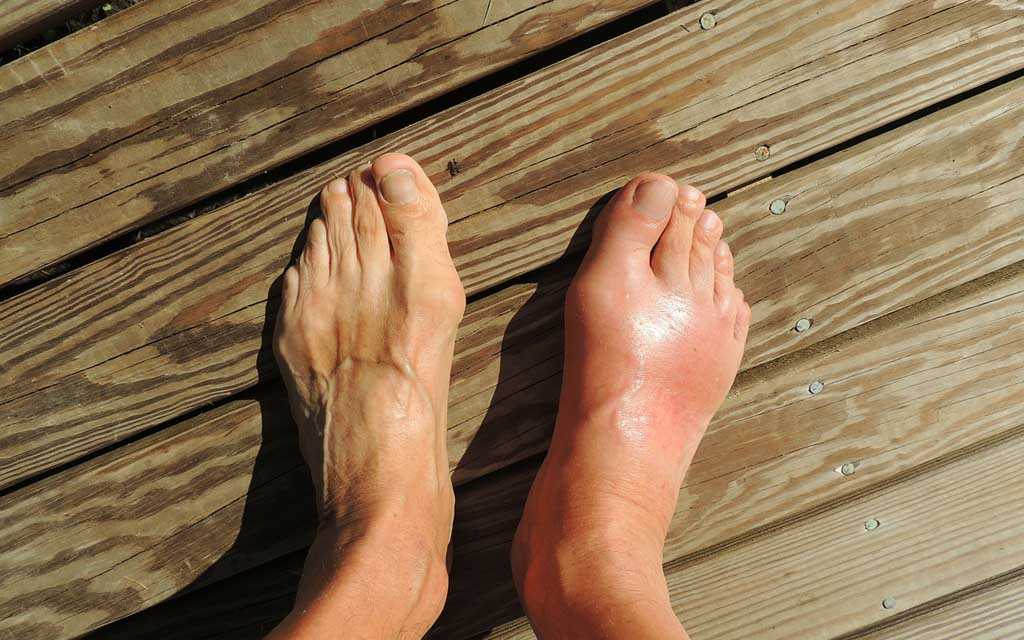
Gout is a type of arthritis that is caused by the accumulation of uric acid crystals in the joints, which leads to inflammation, pain, and stiffness. The condition is common in middle-aged and older adults and is more prevalent in men than women.
Gout can affect any joint in the body, but it most commonly affects the big toe, ankle, knee, and wrist.
Causes of Gout
There are several factors that can contribute to the development of gout, including:
- Diet: A diet that is high in purines can increase the levels of uric acid in the blood, leading to the formation of crystals in the joints. Foods that are high in purines include red meat, organ meats, seafood, and some types of vegetables such as asparagus, mushrooms, and spinach.
- Genetics: Some people may be genetically predisposed to the development of gout, particularly if there is a family history of the condition.
- Medical conditions: Certain medical conditions such as high blood pressure, kidney disease, and diabetes can increase the risk of developing gout.
- Medications: Certain medications such as diuretics, aspirin, and some chemotherapy drugs can increase the levels of uric acid in the blood and contribute to the development of gout.
Symptoms of Gout
The symptoms of gout can vary in severity and can occur suddenly. The most common symptoms of gout include:
- Intense pain: The pain associated with gout is often described as sharp and intense, and can be so severe that even the weight of a bedsheet can cause discomfort.
- Redness and swelling: The affected joint may become red, swollen, and warm to the touch, which can be a sign of inflammation.
- Tenderness: The joint may be extremely tender and sensitive to the touch, which can make it difficult to move or put weight on the affected area.
- Limited range of motion: As the pain and swelling worsen, the affected joint may become stiff and difficult to move, which can limit mobility.
Treatment of Gout
The treatment of gout depends on the severity of the symptoms and the underlying cause of the condition. Treatment options may include:
- Medications: Nonsteroidal anti-inflammatory drugs (NSAIDs) can help to reduce pain and inflammation in the affected joint. Corticosteroids may also be prescribed to reduce inflammation and pain.
- Colchicine: This medication is specifically used to treat gout and can help to reduce pain and inflammation.
- Lifestyle changes: Making dietary changes, losing weight, and reducing alcohol intake can all help to reduce the risk of developing gout and manage symptoms.
- Joint aspiration: In severe cases, a doctor may need to remove fluid from the affected joint to reduce pain and inflammation.
Prevention of Gout
There are several steps that can be taken to prevent the development of gout, including:
- Eating a healthy diet: A diet that is low in purines and high in fruits, vegetables, and whole grains can help to reduce the risk of developing gout.
- Maintaining a healthy weight: Being overweight or obese can increase the risk of developing gout, so maintaining a healthy weight is important.
- Drinking plenty of water: Drinking enough water can help to flush out excess uric acid from the body and prevent the formation of crystals in the joints.
- Limiting alcohol consumption: Alcohol can increase the levels of uric acid in the blood, so limiting consumption is important.
It is also important to seek medical attention if you experience symptoms of gout, as prompt treatment can help to manage symptoms and prevent complications. In some cases, gout can lead to the development of kidney stones or joint damage, which can be prevented with early intervention and proper management.
Complications of Gout
If left untreated, gout can lead to a number of complications, including:
- Kidney stones: The buildup of uric acid in the body can lead to the formation of kidney stones, which can be painful and require medical intervention.
- Tophi: These are small, hard lumps that can form under the skin near the affected joint. Tophi are caused by the buildup of uric acid crystals and can cause pain and deformity if left untreated.
- Joint damage: If gout is left untreated, it can cause damage to the affected joint, which can lead to chronic pain and limited mobility.
Conclusion
Gout is a common type of arthritis that is caused by the buildup of uric acid crystals in the joints. The condition can be managed with medication, lifestyle changes, and prompt medical attention.
Eating a healthy diet, maintaining a healthy weight, and limiting alcohol consumption can all help to reduce the risk of developing gout and prevent complications.
If you experience symptoms of gout, it is important to seek medical attention to prevent further damage and manage symptoms effectively.