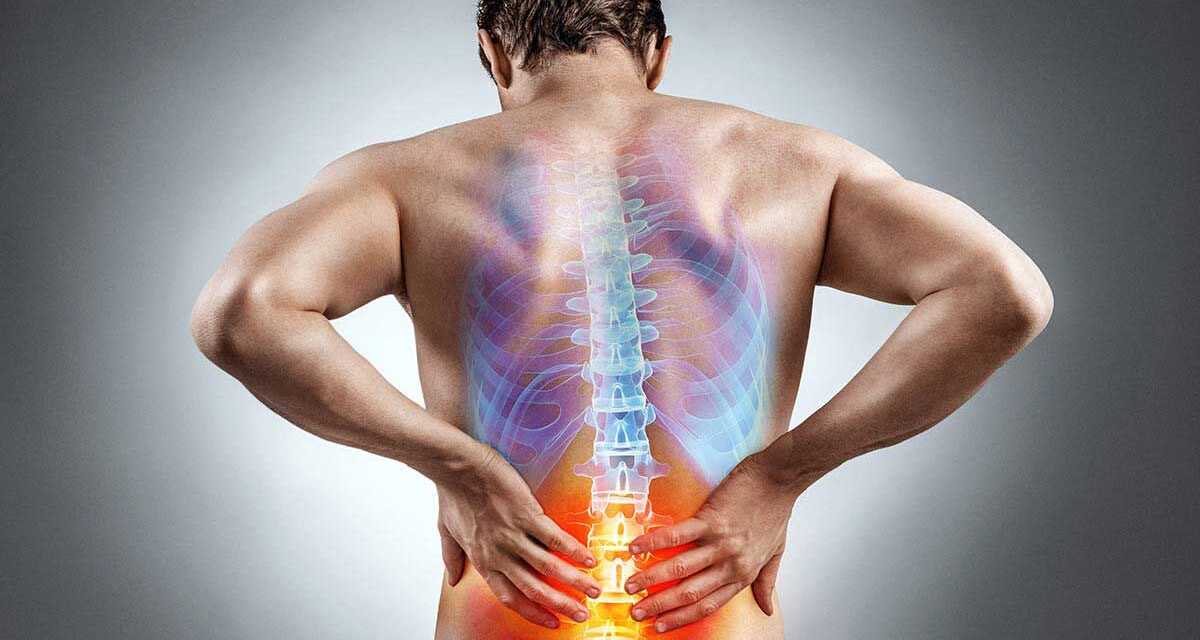
Back pain is a common complaint that affects millions of people worldwide. The condition can range from a mild discomfort to a severe and debilitating pain that interferes with daily activities.
In the rest of this guide, we will explore the causes, symptoms, and treatment options for back pain.
Causes of Back Pain
Back pain can result from several causes. Some of the most common causes of back pain include:
- Poor posture: Sitting or standing in a slouched position can put a strain on the back muscles and lead to pain.
- Muscle strain: Lifting heavy objects or making sudden movements can cause muscle strain in the back, leading to pain.
- Injury: A fall, car accident, or sports injury can cause damage to the back, leading to pain.
- Herniated disc: A herniated or slipped disc occurs when the soft tissue inside the spinal disc protrudes out and puts pressure on the nerves in the back, leading to pain.
- Arthritis: Arthritis can cause inflammation in the joints in the back, leading to pain.
- Osteoporosis: Osteoporosis is a condition that causes the bones to become brittle and weak, making them more susceptible to fractures and pain.
Symptoms of Back Pain
The symptoms of back pain can vary depending on the underlying cause. Common symptoms of back pain include:
- Pain in the lower or upper back that can be sharp or dull.
- Stiffness in the back.
- Limited range of motion in the back.
- Tingling or numbness in the back or legs.
- Muscle spasms.
- Weakness in the legs or feet.
Treatment Options for Back Pain
There are several treatment options for back pain, depending on the cause and severity of the pain. Some of the most common treatment options include:
- Rest: Resting the back can help alleviate pain and allow the muscles to heal. It is essential to avoid prolonged bed rest as it can lead to muscle weakness and slow down the healing process.
- Heat or ice: Applying heat or ice to the affected area can help reduce inflammation and alleviate pain. Applying heat can help relax the muscles, while applying ice can help numb the pain and reduce inflammation.
- Pain medication: Over-the-counter pain medication, such as ibuprofen or acetaminophen, can help alleviate pain. Prescription medications like muscle relaxants, anti-inflammatory drugs, or opioids can be prescribed for severe pain.
- Physical therapy: A physical therapist can work with you to develop exercises to help strengthen the muscles in the back and improve flexibility. Physical therapy can help relieve pain, improve posture, and prevent future episodes of back pain.
- Alternative therapies: Alternative therapies like acupuncture, chiropractic, and massage therapy can help alleviate back pain and improve overall health.
- Surgery: In severe cases, surgery may be necessary to correct the underlying issue causing the back pain. Surgery is usually considered after other treatment options have failed, and the pain has become severe and debilitating.
Preventing Back Pain
Preventing back pain is essential to maintain good spinal health. Here are some tips to prevent back pain:
- Maintaining good posture: Make sure to sit and stand with good posture to help prevent strain on the back. Good posture can help keep the spine in alignment, reducing the risk of injury.
- Exercise regularly: Regular exercise can help strengthen the muscles in the back, reducing the risk of injury. It can also help improve flexibility and reduce the risk of developing chronic pain.
- Lift properly: When lifting heavy objects, make sure to use proper lifting techniques to avoid strain on the back. Bend your knees and use your legs, not your back, to lift the weight.
- Take breaks: If you sit or stand for prolonged periods, make sure to take breaks and stretch to alleviate tension in the back muscles.
- Maintain a healthy weight: Excess weight can put a strain on the back muscles and increase the risk of developing back pain. Maintaining a healthy weight through diet and exercise can help reduce this risk.
Conclusion
Back pain is a common condition that can be caused by several factors. While the severity of back pain can range from mild discomfort to severe and debilitating pain, there are several treatment options available, including rest, medication, physical therapy, and surgery.
Prevention is also key to maintaining good spinal health, and simple changes like maintaining good posture, exercising regularly, lifting properly, and taking breaks can go a long way in preventing back pain.
If you experience back pain, it is essential to consult with a healthcare professional to determine the underlying cause and develop an appropriate treatment plan. With proper care and prevention, it is possible to manage back pain and maintain good spinal health.