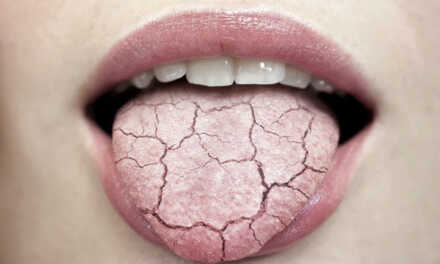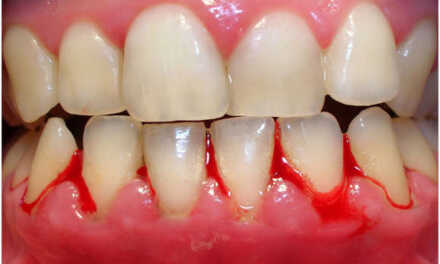
Having good oral health and hygiene is essential for overall well-being. Poor oral health can lead to various health problems, including gum disease, tooth decay, and even heart disease.
Let’s discuss the steps you can take to maintain good oral health and hygiene.
1. Brushing Your Teeth
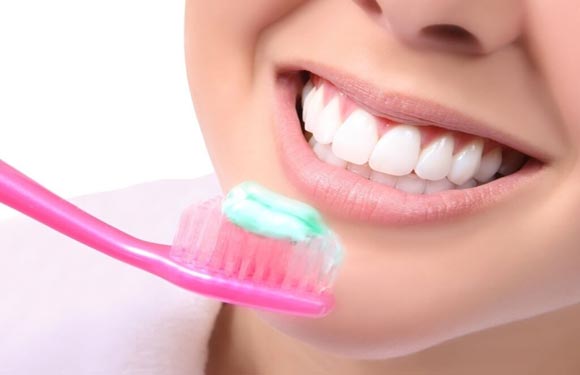
Brushing your teeth twice a day is one of the most crucial steps in maintaining good oral health. Brushing helps remove plaque and bacteria that cause tooth decay and gum disease.
To brush your teeth effectively, try the following tips:
- Use a soft-bristled toothbrush: Hard-bristled toothbrushes can cause damage to your gums and tooth enamel.
- Use fluoride toothpaste: Fluoride helps prevent tooth decay and strengthens tooth enamel.
- Brush for at least two minutes: Brushing for less than two minutes may not effectively remove plaque and bacteria.
- Use gentle circular motions: Scrubbing your teeth back and forth can cause damage to your gums and tooth enamel.
- Don’t forget to brush your tongue: Bacteria can also accumulate on your tongue and cause bad breath.
2. Flossing
Flossing is another essential step in maintaining good oral health. It helps remove food particles and plaque from between your teeth and along the gumline.
Here are some tips for flossing effectively:
- Use a flossing tool that is comfortable for you: Flossing tools come in different shapes and sizes. Find one that works for you.
- Gently insert the floss between your teeth: Roughly inserting the floss between your teeth can cause damage to your gums.
- Use a clean section of the floss for each tooth: Reusing floss can transfer bacteria from one tooth to another.
- Don’t snap the floss as it can damage your gums: Snapping the floss can cause bleeding and damage to your gums.
3. Mouthwash
Mouthwash can help kill bacteria in your mouth, freshen your breath, and prevent gum disease. However, it should not replace brushing and flossing.
Here are some tips for using mouthwash effectively:
- Use a mouthwash that contains fluoride: Fluoride helps prevent tooth decay and strengthens tooth enamel.
- Rinse your mouth with mouthwash for at least 30 seconds: This allows the mouthwash to reach all areas of your mouth.
- Spit out the mouthwash after rinsing: Do not swallow the mouthwash as it can be harmful if ingested.
- Don’t use mouthwash immediately after brushing your teeth: Wait at least 30 minutes after brushing to use mouthwash.
4. Healthy Diet
Eating a healthy diet is essential for maintaining good oral health. Here are some tips for a healthy diet:
- Limit sugary and acidic foods and drinks: These can erode tooth enamel and cause tooth decay.
- Eat plenty of fruits and vegetables: These provide essential vitamins and minerals for strong teeth and gums.
- Drink plenty of water: Water helps rinse away food particles and bacteria from your mouth.
- Avoid snacking between meals: Frequent snacking can increase your risk of tooth decay.
5. Regular Dental Checkups
Regular dental checkups are crucial for maintaining good oral health. A dentist can identify and treat dental problems early on, preventing them from becoming more severe.
To make the most of your regular dental checkups, consider these tips:
- Visit your dentist at least twice a year: Regular checkups can help detect dental problems early on.
- Inform your dentist about any dental problems or concerns: Your dentist can provide personalized recommendations for your oral health.
- Follow your dentist’s recommendations for treatment and oral care: Your dentist may recommend specific treatments or oral care practices based on your individual needs.
Conclusion
In conclusion, good oral health and hygiene are crucial for overall health and well-being. Daily care, healthy habits, and regular dental checkups can help prevent dental problems and promote a healthy, beautiful smile. Remember to brush, floss, use mouthwash, eat a healthy diet, and visit your dentist regularly to maintain good oral health.