Definition
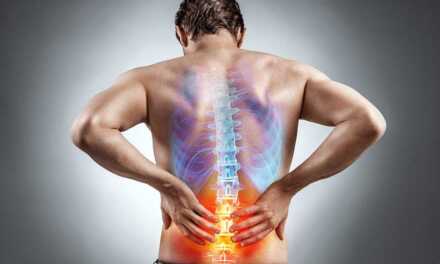
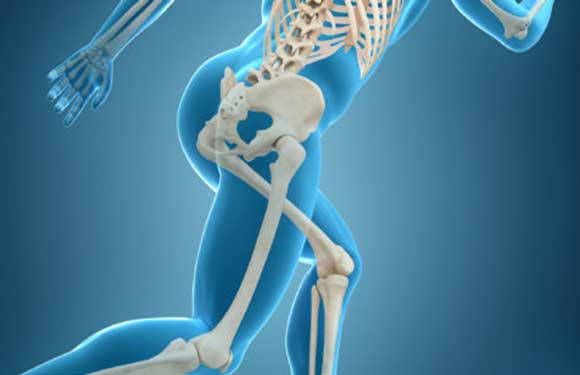
Osteoporosis is a disease that affects bones and weakens them. It’s an abnormal bone loss. Indeed, bone tissue renews itself continuously by the destruction of the old bone tissue (resorption) and the formation of a new one, all in a balanced state. Osteoporosis occurs when the resorption is higher.
Osteoporosis, what are the risk factors?
Lots of risk factors lead to increased bone loss and so to osteoporosis. Some are nonmodifiable factors that can’t be avoided. However, other environmental factors are modifiable and can be avoided.
Nonmodifiable risk factors
- Age: osteoporosis is more frequent beyond 50 years.
- Gender: women are affected more than men; due to the lack of estrogen during menopause.
- Genetic predisposition: some people naturally have genes that will give a weak bone density and increase the risk, regardless of age.
- Family history with osteoporosis and bone fracture: the fact that some family members have been affected by osteoporosis is also a risk factor.
- Ethnicity: Europeans and Asiatics are more affected by osteoporosis.
Environmental risk factors
- An unbalanced diet, low calcium diet, high protein diet.
- A lack of physical activity: to renew itself continuously, the bone needs to move continuously.
- A lack of sunlight exposure leading to vitamin D deficiency. Vitamin D is essential in assimilating and fixing calcium in the bones.
- Tobacco and alcohol are frequently present in every disease. They bar the calcium from being absorbed. They also can interfere with sexual hormones synthesis, essential in bone metabolism.
- An eating disorder like the anorexia nervosa.
- A Lactose intolerance.
- Low body weight from skinny people with a weight under 49 kg ( 107.8 lb) or a BMI under 19.
Some diseases can also weaken the bones:
- Hyperthyroidism.
- Diabetes.
- Hyperparathyroidism.
- Hypercorticism such as Cushing disease ( an elevation of cortisol level).
- Digestive diseases liver cirrhosis, Crohn disease.
- Some brain tumors.
Some drugs like synthetic thyroid hormones, prolonged corticosteroid therapy, hormone therapy used in some cancers treatment (breast, uterus, ovary) can weaken the bones.
Osteoporosis: symptoms and diagnostic
Osteoporosis is a silent disease, without symptoms. Only height loss ( at least 1.18 inches or 3cm) from collapsed vertebrae, can be a sign of osteoporosis.

Bone fracture is the main consequence of osteoporosis. It touches mainly vertebrae, hip, and wrist. That’s when intense pain appears, spontaneously or after a fall.
So it’s necessary to diagnose during the “symptom-free” phase to prevent fracture. Beyond 50 years, you can detect a height loss by measuring it frequently.
The only osteoporosis diagnostic test is the Bone Mineral Density test (BMD). This radiology test measures the bone density by using the T-score. The T-score shows the difference between your bone density and the standard bone density.

Your bone density will be marked by “-” if it is lower than the standard. If the T-score is less than -2.5, then it’s osteoporosis and severe if it’s combined with a fracture. Between -1 and -2.5 it’s osteopenia (bone tissue rarefaction).
Some blood test can help to the diagnostic:
- Vitamin D blood test.
- Thyroid hormones blood test.
- Testosterone or estrogen blood test.
How to treat osteoporosis?
To treat osteoporosis is not just about taking drugs. They’re just a way to fight and prevent osteoporosis amongst others. An effective treatment is to treat the cause of the disease.
First of all, the osteoporosis treatment is about having a rich and balanced diet and regular physical activity.
Which foods to fight and prevent osteoporosis?
Your diet should be rich in those essential elements: mineral salts including calcium, vitamin D and proteins.
Calcium
It’s the most essential to maintain bone strength. It is abundantly present in dairy products: cow’s milk, cheese, yogurt, etc. For people who can’t bear animal milk, soy milk, rice milk or almond milk enriched with calcium are some alternatives.

Calcium is also present in dry fruits, oilseed (nuts, almonds, peanut), vegetables like broccoli, spinach, cabbage, fish such as sardine, salmon, herring with fish bones.
Mineral water is also a good source of calcium.
Vitamin D
It’s essential for calcium metabolism because it improves its absorption and fixing to bones. Vitamin D is produced by the body with sunlight rays which act as a catalyzer. Good sunlight exposure is necessary to avoid a vitamin D deficit.
We also get vitamin D from our diet. It’s abundantly present in oily fish (tuna, mackerel, herring, salmon, sardine), butter, black chocolate, milk, mushroom, cod liver oil, etc.
Foods rich with mineral salts
Your diet should be rich with:

- Zinc: oyster, lobster, crab, clam, beef liver, wholemeal bread, durum, sesame seeds, etc.
- Copper: oyster, beef liver, black chocolate, beans, lentils, chickpeas, shrimps, escargot, etc.
- Magnesium: whole grains, chocolate, seafood, dry fruits, oilseeds, cabbage, spinach, some mineral waters, etc.
- Boron: grape juice, broccoli, dates, red-skinned potatoes, raisins, white bread, etc.
- Silicon: whole grains, vegetables, dry fruits, oat bran, leguminous plants beans, lentils, etc.
Mineral salts increase bone growth and stability.
Proteins
A diet rich with proteins has valuable effects on bone. It decreases bone loss and fracture risk. Proteins are present in dairy products, meat (emphasize white meat like chicken, turkey, rabbit, etc.), fish, vegetable proteins like lentils, beans, peanuts, wheat, etc.

It’s not about to increase excessively your daily intake but to find a balanced state between them; this includes eating a balanced and proportionate diet. You should not exceed the daily intake of each element.
Avoid foods like coffee, excessive salt diet, white flour, charcuterie, red meat, etc.
Do not forget that diet is a part of the medical prescription. The doctor has the right and the duty to give a guideline concerning an appropriate diet for you.
When to use drugs to treat osteoporosis?
Osteoporosis treatment with drugs is not systematic.
Drug treatment with a medical prescription is for people with risk fracture, low bone density, malabsorption syndrome, lactose intolerance, to reduce bone loss with an appropriate diet.
The treatment can start with calcium and vitamin D supplements. There are several types of drugs to treat osteoporosis; the most used are:
- Biphosphonate: they are the most used to treat osteoporosis. They decrease bone loss and increase bone mass.
- Denosumab: this drug is made of antibodies that are directed against osteoclasts which are cells responsible for bone resorption. it’s an injectable treatment.
- Teriparatide: it’s a parathyroid hormone derivative which is responsible for calcium and vitamin D metabolism. it stimulates bone formation.
- Raloxifene: it has the same effect that has estrogen on bone tissue and avoids bone destruction. However, it has no hormonal effects on uterus or breast.
Each of these drugs has precise indications; so you need medical advice.
In case of pain, an analgesic treatment will be prescribed.
Some daily useful tips
- To have a balanced diet, rich enough with calcium and vitamin D.
- To practice a regular physical activity: walking, jogging, swimming or gymnastics. You must avoid practicing excessively.
- To prevent risks of falling which can give fractures.
- To have a good posture.
- Be careful with heavy loads.